
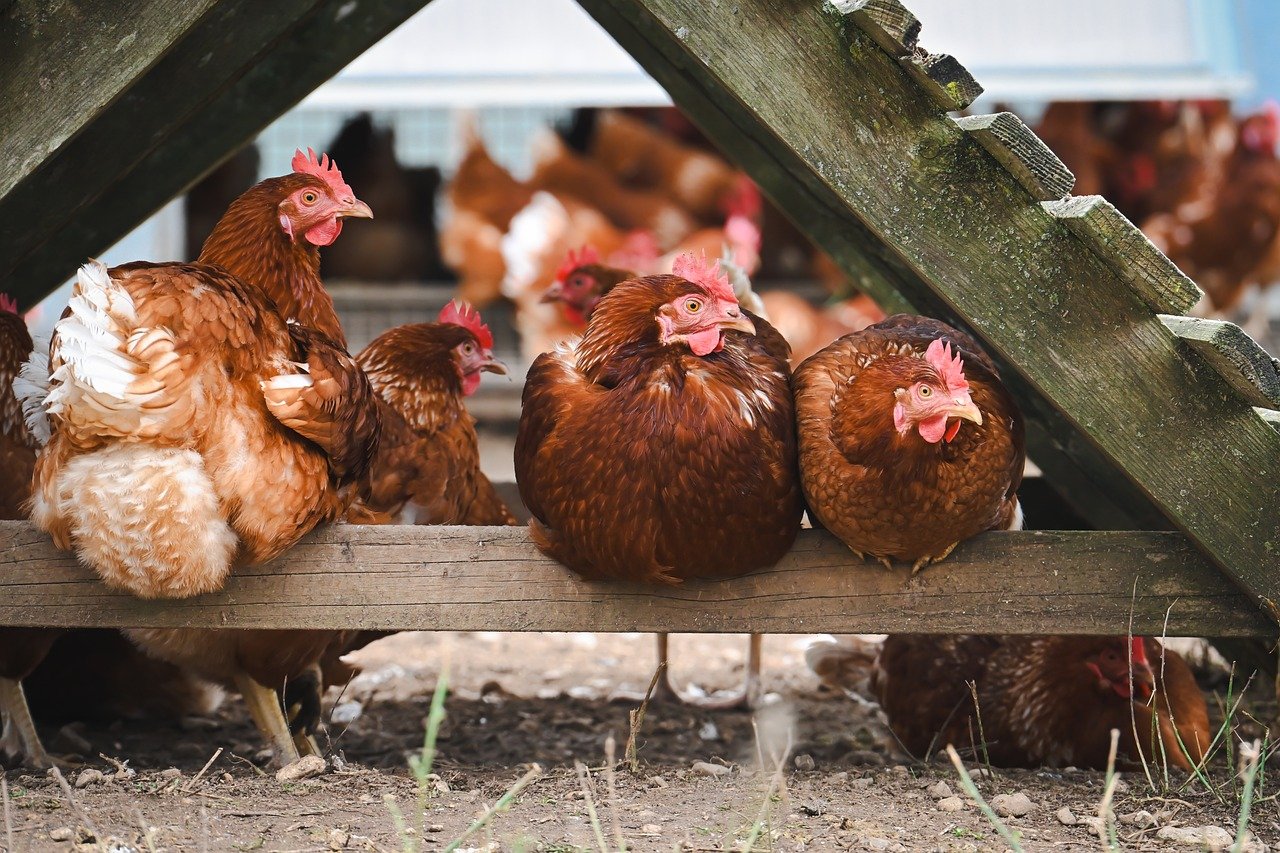
Are you planning to get in poultry farming this year but still unsure about which type to choose? Or maybe you have been raising one type and are thinking of adding another to your project? Poultry farming in Zambia is one of the easiest ways to start or expand a farming project, but choosing the right type of birds matters more than most people think.
Different poultry types grow at different speeds, need different amounts of space, and perform differently depending on management. Understanding these basics before you start helps you avoid unnecessary losses.
Broiler Chickens
Broilers are raised for meat and are common across Zambia, especially around urban areas.
A broiler reaches market weight in about 5 to 6 weeks. Under good management, one bird weighs between 1.8 and 2.2 kg at sale. Broilers do not lay eggs for production purposes. For housing, allow about 10 to 12 birds per square metre. Overcrowding increases disease and slow growth.
Broilers are usually raised in one-sex groups, so cock-to-hen ratios are not relevant. Their success depends heavily on feed quality, temperature control, and fast access to markets.

Layer Chickens
Layers are kept for egg production and are common in both urban and peri-urban areas.
A layer starts laying at around 18 to 20 weeks of age. A well-managed layer lays about 250 to 300 eggs per year. Egg production declines after about 72 weeks. Housing space should be around 4 to 5 birds per square metre. Layers are mainly raised for egg production only, cocks are not required. They require consistent feeding and daily care. Any disruption quickly affects egg numbers.
Village Chickens
Indigenous chickens are widely raised in Zambia and are well adapted to local conditions. They take longer to mature, usually 5 to 6 months to reach adult size. Egg production is low compared to layers, averaging 60 to 100 eggs per year, depending on management.
They require more space if confined, about 3 to 4 birds per square metre, though many are kept semi-free range. For breeding, a common ratio is 1 cock to 5 to 7 hens. Their main advantage is low cost, lower mortality, and strong market demand, especially during holidays and traditional events.
Quails
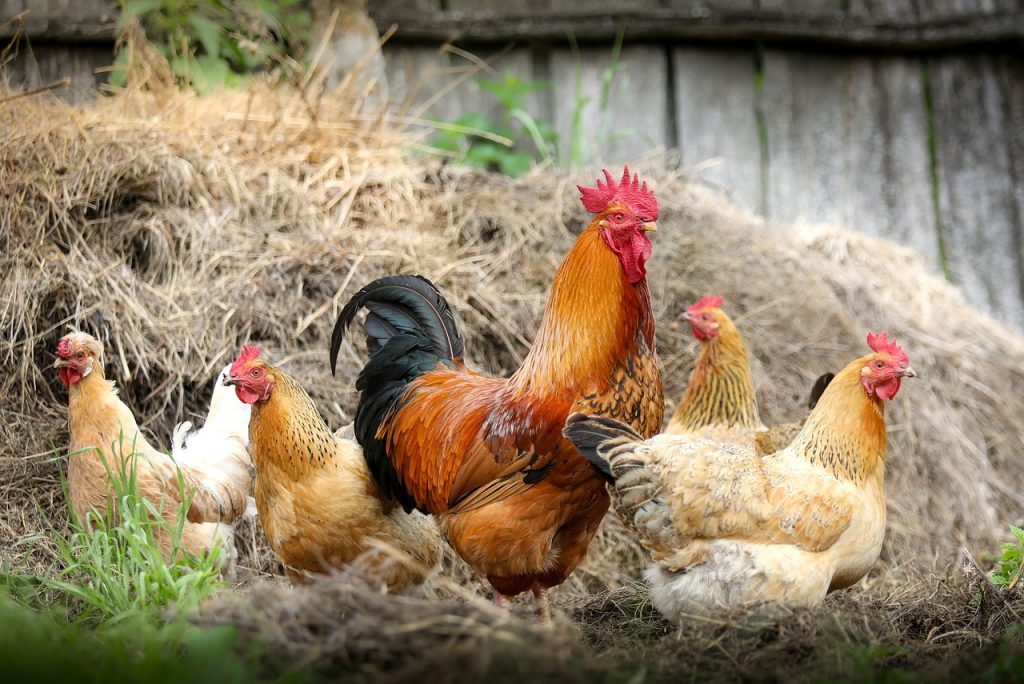
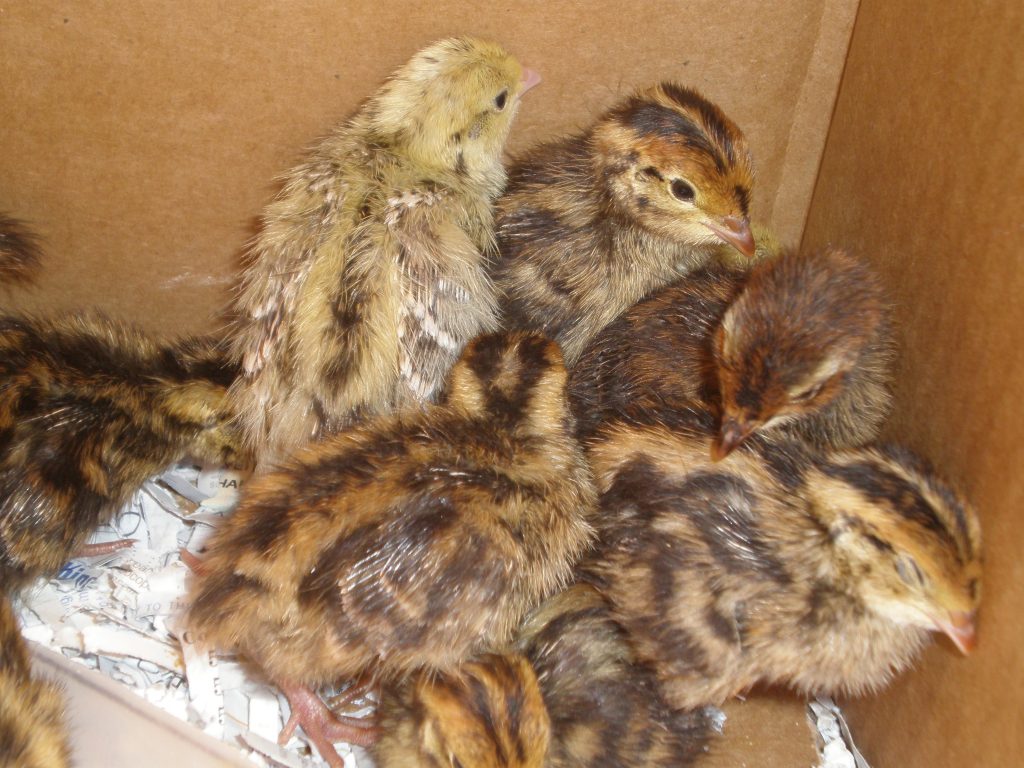
Quails are small birds suited to backyard and peri-urban farming. They mature very fast, starting to lay eggs at around 6 to 7 weeks. A quail lays about 250 to 300 eggs per year under good conditions. Because they are small, you can keep about 60 to 80 quails per square metre using cages. The recommended breeding ratio is 1 cock to 3 or 4 hens.
Quails are easy to raise, but the market in Zambia is limited, so production should always match demand.
Guinea Fowls
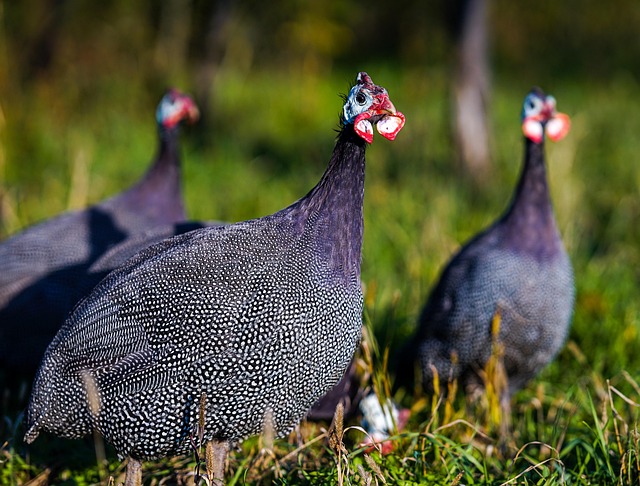
Guinea fowls are hardy birds suitable for many parts of Zambia, especially rural areas. They take about 6 to 7 months to reach adult size. Egg production is seasonal, with about 60 to 100 eggs per year.
They require more space than chickens and do better with access to open areas. When breeding, a ratio of 1 cock to 4 or 5 hens is common. Guinea fowls are valued for their meat and are resistant to many common poultry diseases, but they can be noisy and difficult to confine.
Ducks
Ducks are raised for both meat and eggs and do well in areas with access to water.
Most ducks mature in about 7 to 8 weeks for meat. Egg-laying ducks produce about 150 to 300 eggs per year, depending on the breed. Housing space should allow 4 to 6 ducks per square metre. For breeding, a ratio of 1 drake to 5 or 6 females is recommended.
Ducks are hardy but require good hygiene, especially around water areas.

Turkeys
Turkeys are mainly raised for meat. They take longer to mature, usually 20 to 24 weeks to reach market size. Egg production is low, averaging 60 to 100 eggs per year.
Turkeys need more space, about 2 to 3 birds per square metre. For breeding, the ratio is usually 1 cock to 6 to 8 hens. They require good management, quality feed, and protection from disease, especially when young.
Which poultry farming idea should you choose?
Poultry farming in Zambia works best when farmers match bird type to their budget, space, time, and market. Fast-growing birds are not always the most profitable, and low-input birds are not always slow earners. The right choice depends on what you can manage well and sell easily.
village chicken