
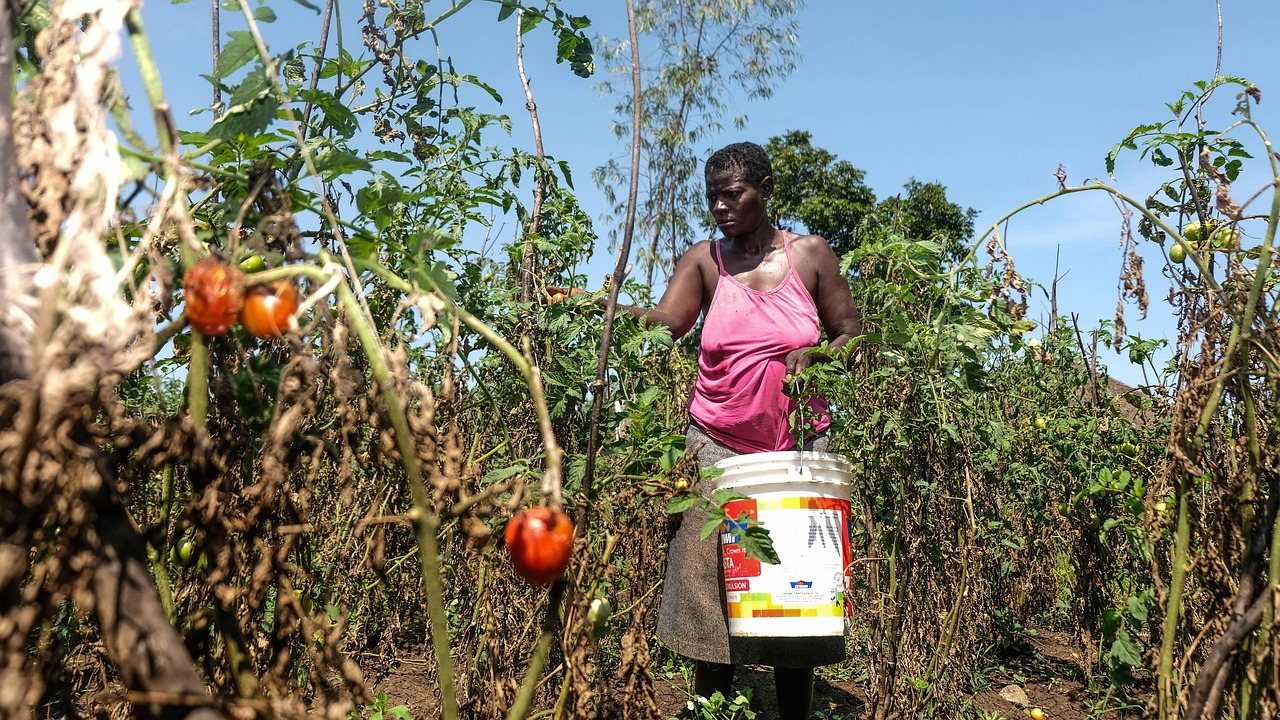
When the Bank of Zambia reduced its Monetary Policy Rate by 75 basis points, bringing it down from 14.25% to 13.5%, it signaled an interest rate cut. The message is usually positive. It comes with cheaper loans, more investment, and faster economic growth. On paper, this sounds like good news for everyone including farmers. In reality, smallholder farmers rarely feel the benefit.
Smallholders don’t borrow at policy rates
The Monetary Policy Rate influences how commercial banks lend to each other and to large borrowers. Smallholders, however, rarely access bank credit linked to this rate.
Most smallholders rely on:
- input credit from suppliers
- outgrower schemes
- cooperatives
- NGOs or government programs
- informal borrowing.
These financing channels do not automatically adjust when the policy rate changes. Whether the rate is cut or raised, the smallholder’s borrowing terms often remain the same.
Risk matters more than interest rates
From a lender’s perspective, smallholder farming is still considered high risk. Weather uncertainty, price volatility, and lack of collateral matter far more than a 0.75% change in policy rates.
As long as these risks remain, banks price loans conservatively. A rate cut does not suddenly make smallholder lending attractive.
Thinking of exporting soyabeans, read this
Crop prices don’t respond to monetary policy
Crop prices in Zambia are driven by physical realities, not financial policy. Prices depend on:
- how much was produced
- when the crop enters the market
- storage availability
- transport costs
- regional demand
- government buying policies.
A lower policy rate does not increase maize supply or reduce post-harvest losses. It does not fix poor market access. As a result, farm-gate prices barely respond.
Stronger currency can even hurt farmers
Rate cuts often happen alongside a stronger local currency. While this helps reduce inflation, it can reduce export competitiveness. For farmers selling to regional markets, a stronger Kwacha can mean:
- lower Kwacha prices for exports
- reduced margins
- more pressure to sell locally at lower prices.
At the same time, cheaper imports can suppress local produce prices in urban markets.
Where monetary policy actually helps
The real impact of monetary policy is indirect and long-term. Lower rates can encourage:
- investment in agro-processing
- storage infrastructure
- cold chains
- logistics and aggregation businesses.
When these systems improve, smallholders benefit, not because of the rate cut itself, but because the value chain around them becomes stronger.
The bottom line
Monetary policy is not designed to fix smallholder farming challenges. It stabilizes the economy, not farm-level realities. For smallholders, what matters more than interest rates are:
- reliable markets
- fair pricing mechanisms
- access to inputs
- storage
- predictable policy
Until those improve, interest rate announcements will remain headlines, not solutions.
Bank of Zambia. (2026). Monetary Policy Committee Statement – February 2026. Retrieved from: https://www.boz.zm/MPC_Statement_Q1_2026.pdf
1 thought on “Why monetary policy rarely, directly helps smallholders”