Climate experts are forecasting the possible return of El Niño conditions during the 2026/2027 agricultural season. For farmers in Southern Africa, including Zambia, this raises serious concerns. Early forecasts sometimes do not translate into exact seasonal outcomes, but they remain important indicators of elevated risk.
El Niño events are historically associated with below average rainfall, late onset of the rainy season, prolonged dry spells, early cessation of rains, and higher than normal temperatures. For rain fed agriculture, this combination significantly increases production risk.
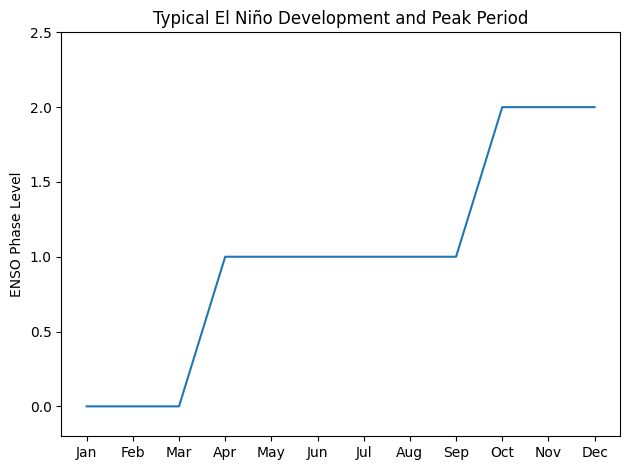
According to the International Research Institute for Climate and Society, El Niño and La Niña events tend to develop in the April to June period, reach their maximum strength between October and February, typically persist 9 to 12 months, and recur every 2 to 7 years (IRI, 2026). These general patterns explain why seasonal forecasts issued well ahead of the main rainy season are still valuable planning tools.
However, a drought forecast is not a guarantee of crop failure. It is an early warning. Early warnings are valuable only if acted upon.
Why This Warning Matters
The 2024 to 2025 drought in parts of Southern Africa, especially Namibia and Zambia, was linked to rainfall deficits during an El Niño influenced season. While not guaranteed, history shows a strong correlation. One expert noted that about 80 percent of really poor farming seasons in the region over the past few decades coincided with El Niño events.
El Niño and La Niña events usually begin forming between April and June. They generally reach their peak intensity from October through February. Most events last between 9 and 12 months, although some can continue for up to two years. On average, these events tend to occur every 2 to 7 years.
This does not mean that every El Niño year results in disaster. It does mean that the probability of agricultural stress rises significantly during those periods. Early forecasts sometimes do not perfectly predict rainfall distribution at local levels, but they consistently signal when risk conditions are building.
What the Latest Forecasts Say
According to the NOAA Climate Prediction Center February 2026 ENSO Diagnostic Discussion, the current La Niña event is expected to weaken with roughly a 60 percent chance of transitioning to ENSO neutral by April 2026. Beyond that, there is about a 50 to 60 percent probability that El Niño conditions will develop later in 2026, which could influence rainfall patterns in Southern Africa during the 2026/2027 agricultural season (NOAA CPC, 2026).
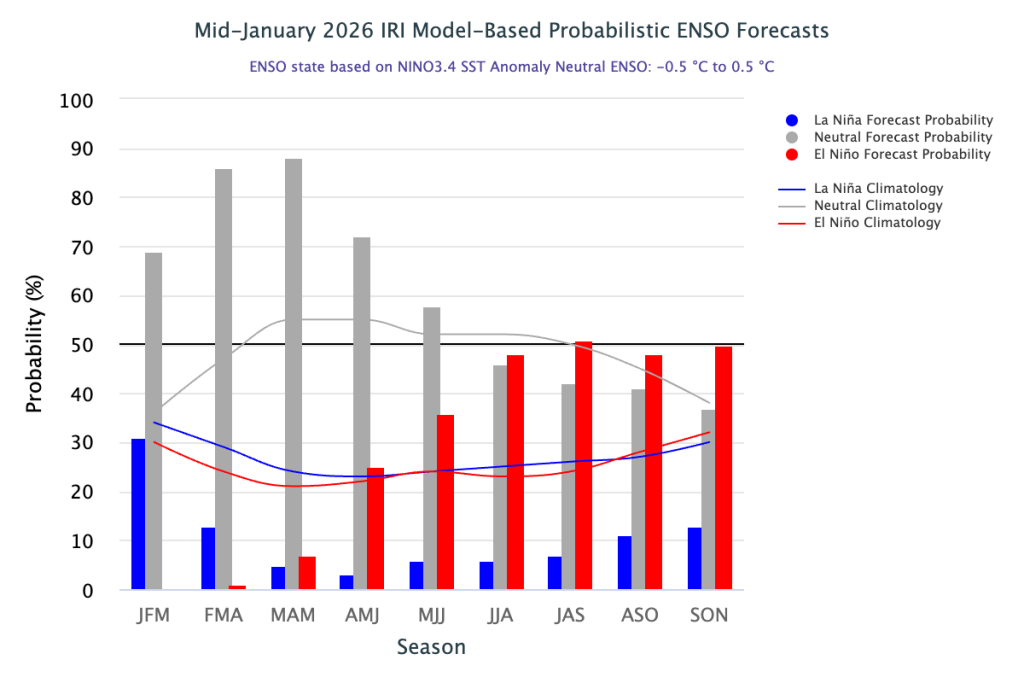
This forecast does not guarantee drought. It indicates elevated risk. For farmers who depend on rainfall, elevated risk is enough to justify preparation.
What Farmers Should Do Now
1. Adjust Crop Exposure
Maize remains the dominant staple across much of Southern Africa, but it is highly sensitive to moisture stress during tasseling and grain filling. In a high risk season:
- Reduce acreage under long season maize
- Increase early maturing or medium maturing varieties
- Expand drought tolerant crops such as sorghum, millet, cowpeas, sunflower, and groundnuts
- Diversify rather than concentrate
Diversification spreads climatic risk.
2. Strengthen Soil Moisture Retention
Soil becomes the first line of defense in dry years. Key actions:
- Heavy mulching to reduce evaporation
- Adding compost or manure to improve water holding capacity
- Practicing minimum tillage
- Using cover crops where feasible
Soils rich in organic matter retain more moisture and allow crops to withstand dry spells longer.
3. Refine Planting Strategy
El Niño seasons often bring irregular rainfall patterns. Farmers should:
- Prepare land early
- Avoid planting all fields after the first rainfall
- Stagger planting dates
- Monitor seasonal rainfall updates closely
Spreading planting across time reduces the risk of total loss.
4. Prepare for Water Scarcity
Where irrigation exists, water allocation must be strategic. Prioritize high value crops and avoid spreading limited water too thinly. For rain fed systems:
- Strengthen contour ridges
- Improve water harvesting
- Repair dams and boreholes early
- Conserve runoff wherever possible
Water management should be proactive, not reactive.
5. Protect Livestock
Drought affects pasture availability and feed costs. Farmers should consider:
- Early hay production
- Proper storage of crop residues
- Identifying alternative feed sources
- Strategic herd size adjustments if necessary
Waiting until pasture fails reduces options and weakens bargaining power.
6. Prepare Financially
Drought seasons can shift markets significantly. Possible impacts include:
- Reduced national grain output
- Rising maize prices
- Increased imports
- Higher input costs
Farmers should:
- Avoid excessive borrowing
- Improve storage to benefit from later price increases
- Maintain emergency liquidity
- Explore forward contracts if available
Cash flow resilience often determines survival more than yield alone.
Conclusion
The forecast for the 2026/2027 farming season suggests elevated drought risk linked to possible El Niño development. Early forecasts sometimes do not materialize exactly as projected, but ignoring them removes the opportunity to prepare.
Farmers who integrate climate forecasts into crop planning, soil management, and financial strategy will be better positioned to withstand uncertainty and protect long term productivity.
References
IRI (2026): International Research Institute for Climate and Society, ENSO Forecasts and Historical ENSO Patterns. https://iri.columbia.edu/our-expertise/climate/forecasts/enso/current/
NOAA CPC (2026): National Oceanic and Atmospheric Administration Climate Prediction Center, ENSO Diagnostic Discussion (February 2026). https://www.cpc.ncep.noaa.gov/products/analysis_monitoring/enso_advisory/ensodisc.shtml
We need more of such analysis especially for us to be able to be producing in bulk and efficiently