
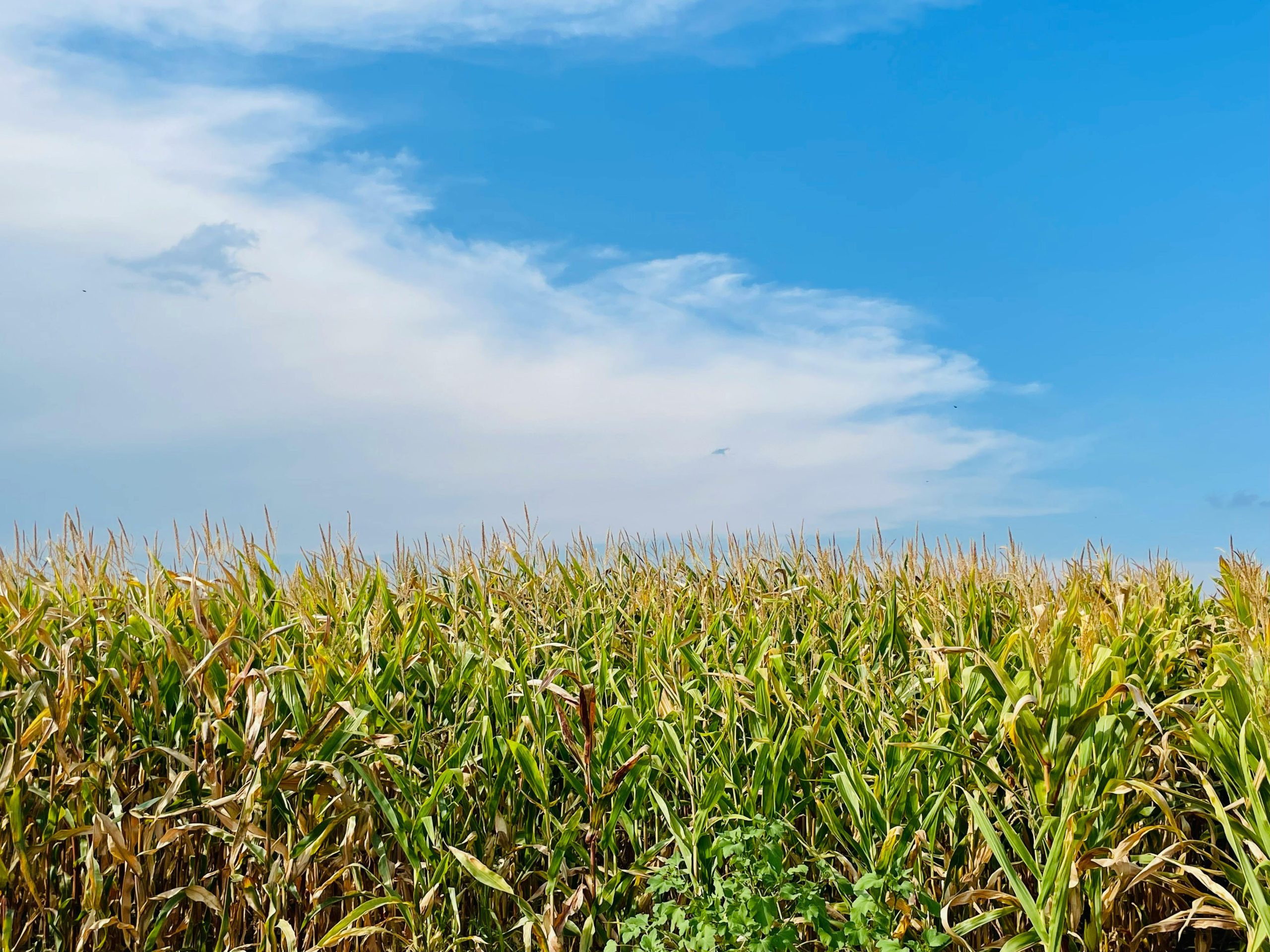
Climate experts are forecasting the possible return of El Niño conditions during the 2026/2027 agricultural season. For farmers in Southern Africa, including Zambia, this raises serious concerns. Early forecasts sometimes do not translate into exact seasonal outcomes, but they remain important indicators of elevated risk.
Analysis
Why monetary policy rarely, directly helps smallholders
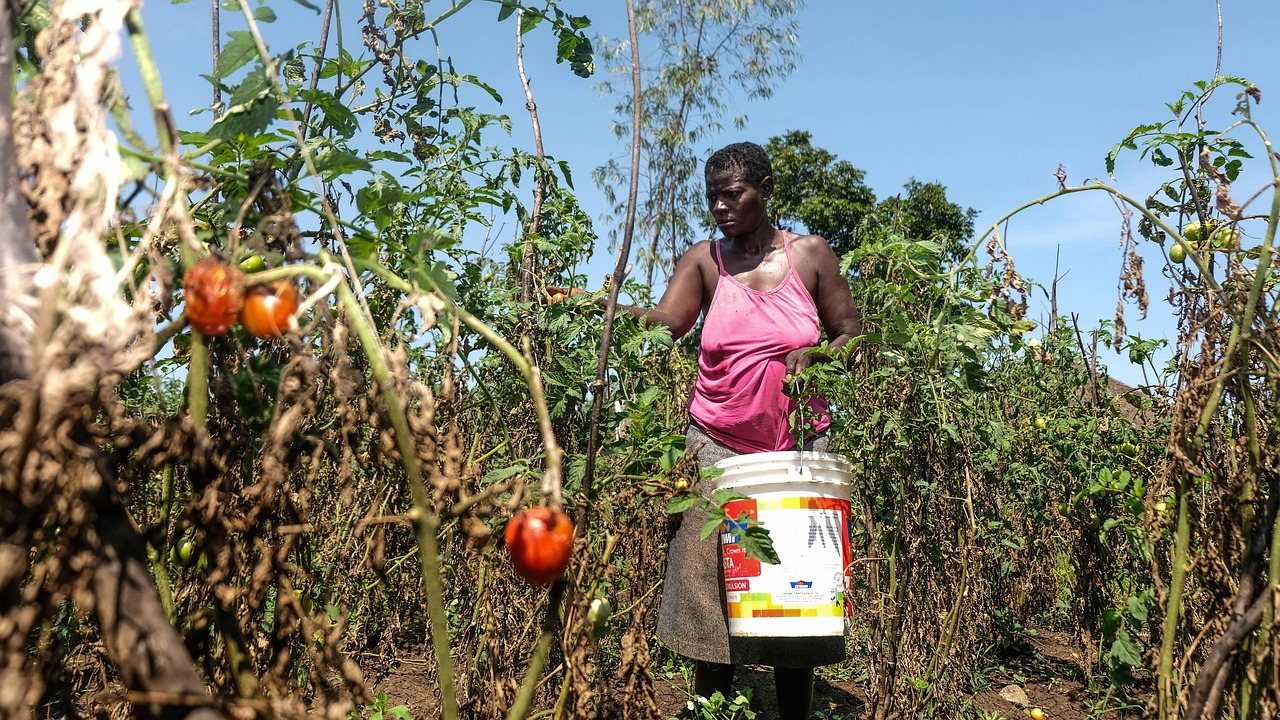
When the Bank of Zambia reduced its Monetary Policy Rate by 75 basis points, bringing it down from 14.25% to 13.5%, it signaled an interest rate cut. The message is usually positive. It comes with cheaper loans, more investment, and faster economic growth. On paper, this sounds like good news for everyone including farmers. In reality, smallholder farmers rarely feel the benefit.
Is Zambia’s $77 Million Maize Export Deal with Malawi a Smart Move or a Risky Gamble?

Zambia has signed a $77 million maize export deal with Malawi for 200,000 metric tonnes of grain. The agreement between Zambia’s Food Reserve Agency (FRA) and Malawi’s National Food Reserve Agency is being praised as a sign of strong regional cooperation. Is this the right move right now?
Why Chickens Have Combs
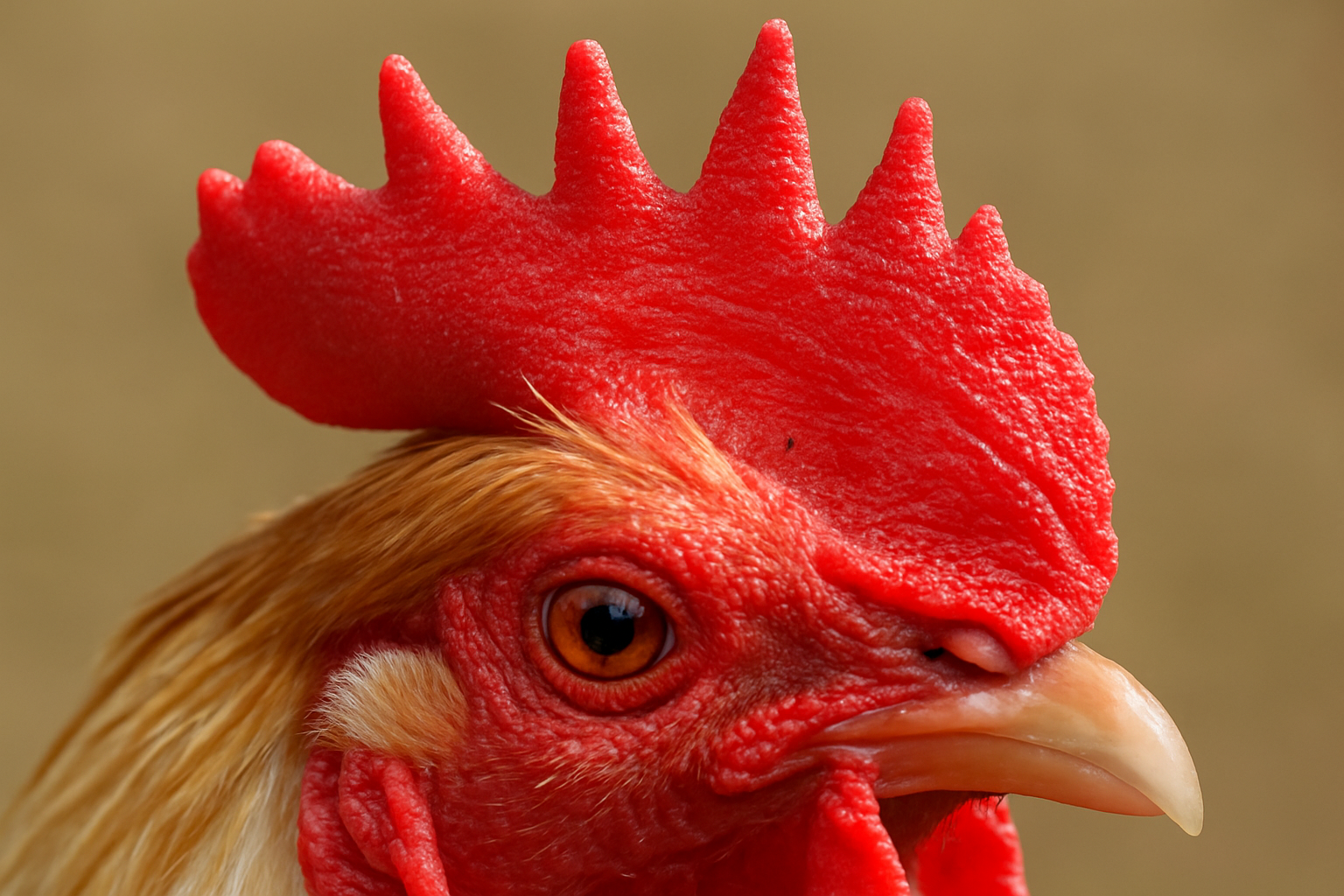
If you have ever looked closely at a chicken, one of the first things you notice is the fleshy red crest on top of its head. This is called the comb, and it is not just decoration. The chicken comb plays an important role in temperature regulation, overall health, communication, and even reproduction. This article explains why chickens have combs, the different styles suited for warm and cold climates, how to recognize a healthy comb, what signs indicate problems, and finally, the surprising ways people have used combs in food and medicine.
How ID Based Travel Between Botswana, Namibia and Zambia Could Transform Opportunities for Zambian Farmers
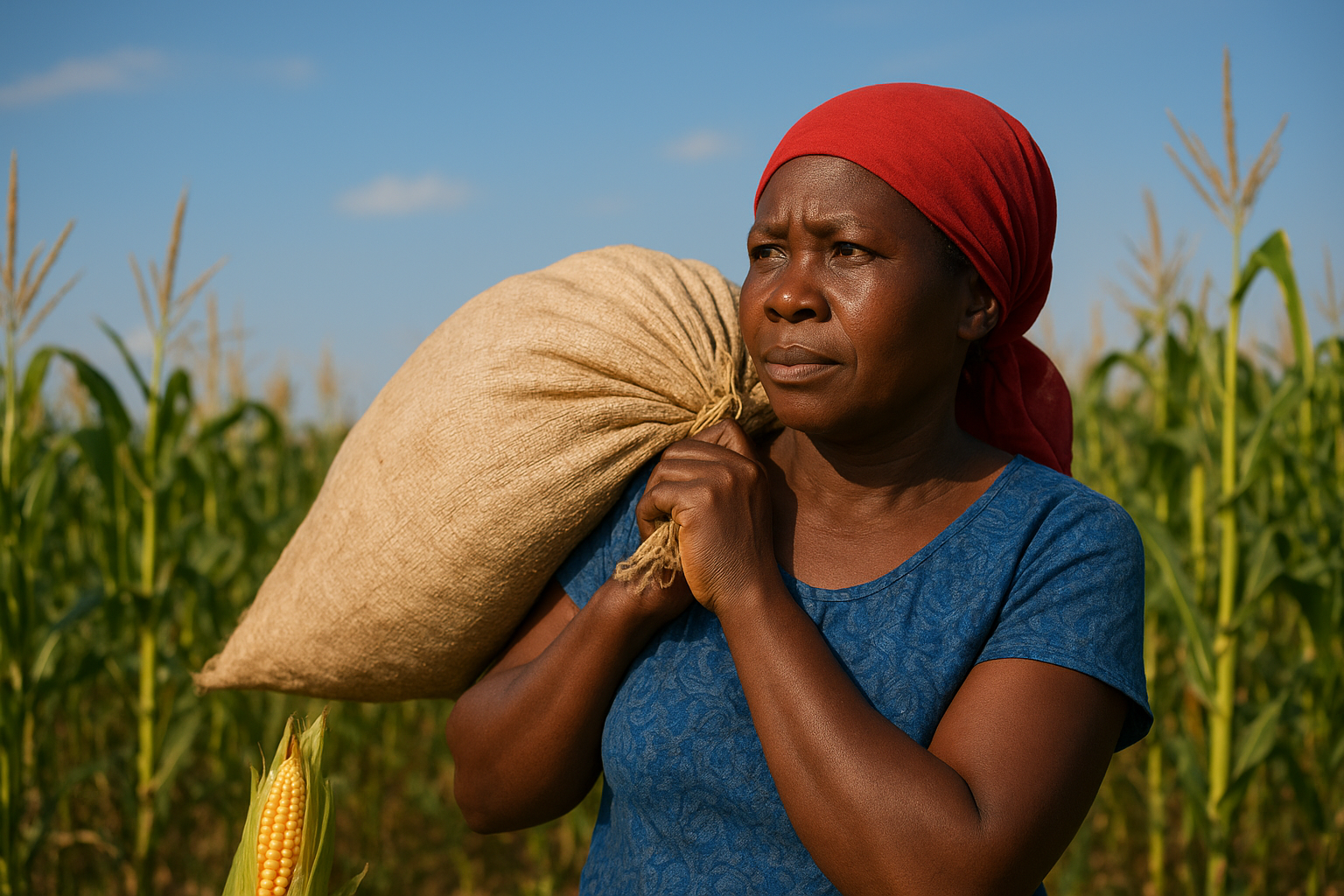
Imagine a maize farmer in Sesheke, in Zambia’s Western Province. Let’s call her Martha. She has a good harvest this year, bags of maize stored neatly, ready for sale. But there’s a problem: the local market is saturated, prices are low, and buyers are slow to pay. Just across the border in Namibia, however, traders are offering better prices. Martha dreams of taking her maize there, but passports and paperwork stand in the way. This is where ID based travel for Zambian farmers comes into play.
Are Zambian Farmers Getting Too Old?
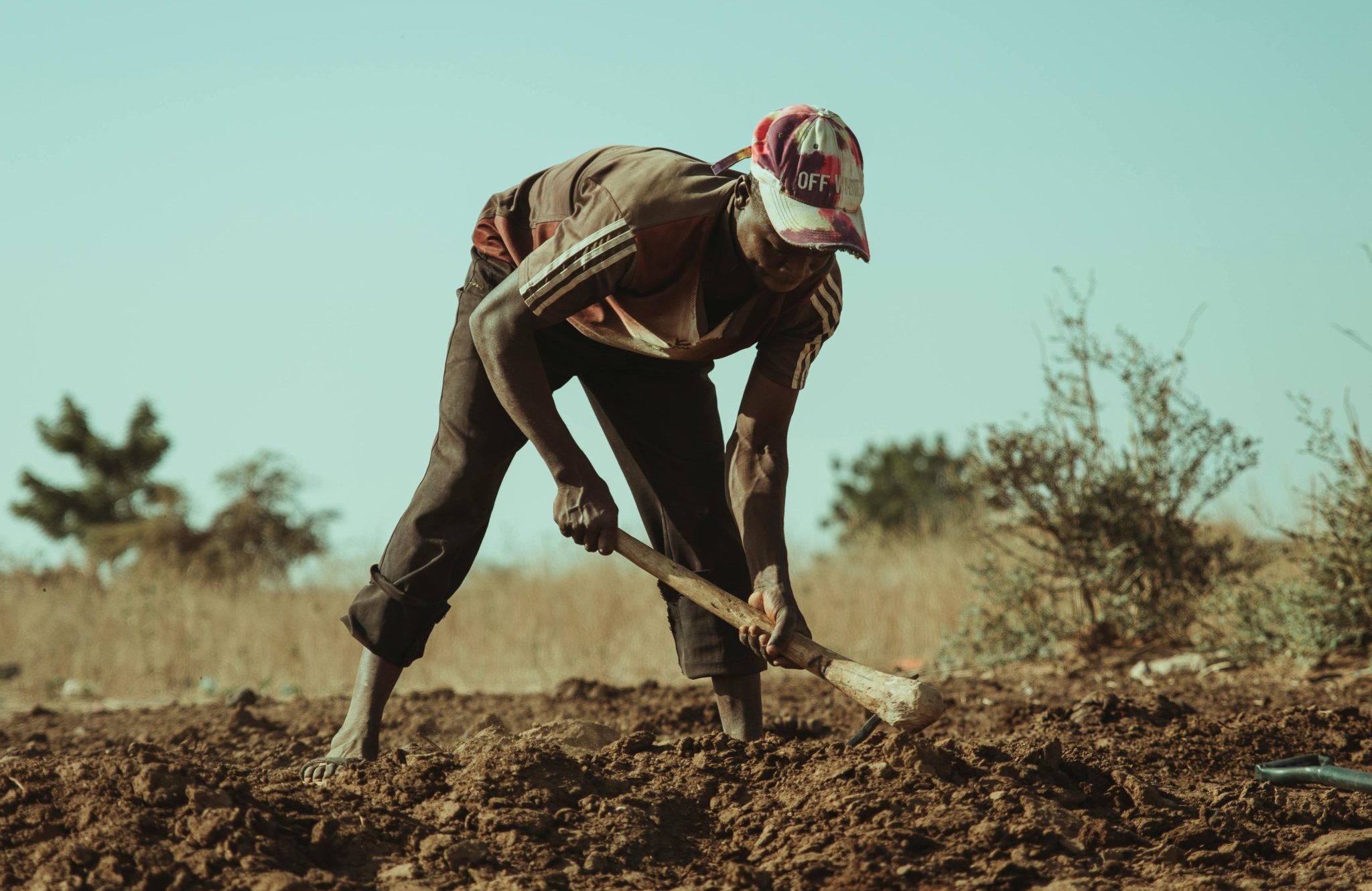
Under the relentless midday sun, 62-year-old Chomba bends over, weeding his maize field, his back protesting with each movement. He’s been farming this land since he was 18, but these days, the work feels heavier. His sons? They left for Lusaka years ago. “Farming is for old men,” they told him.
Chomba isn’t alone. Across Zambia, the faces in the fields are growing older, and fewer young people are stepping in to replace them.
From Drought to Delight: Zambia’s Maize Comeback Story
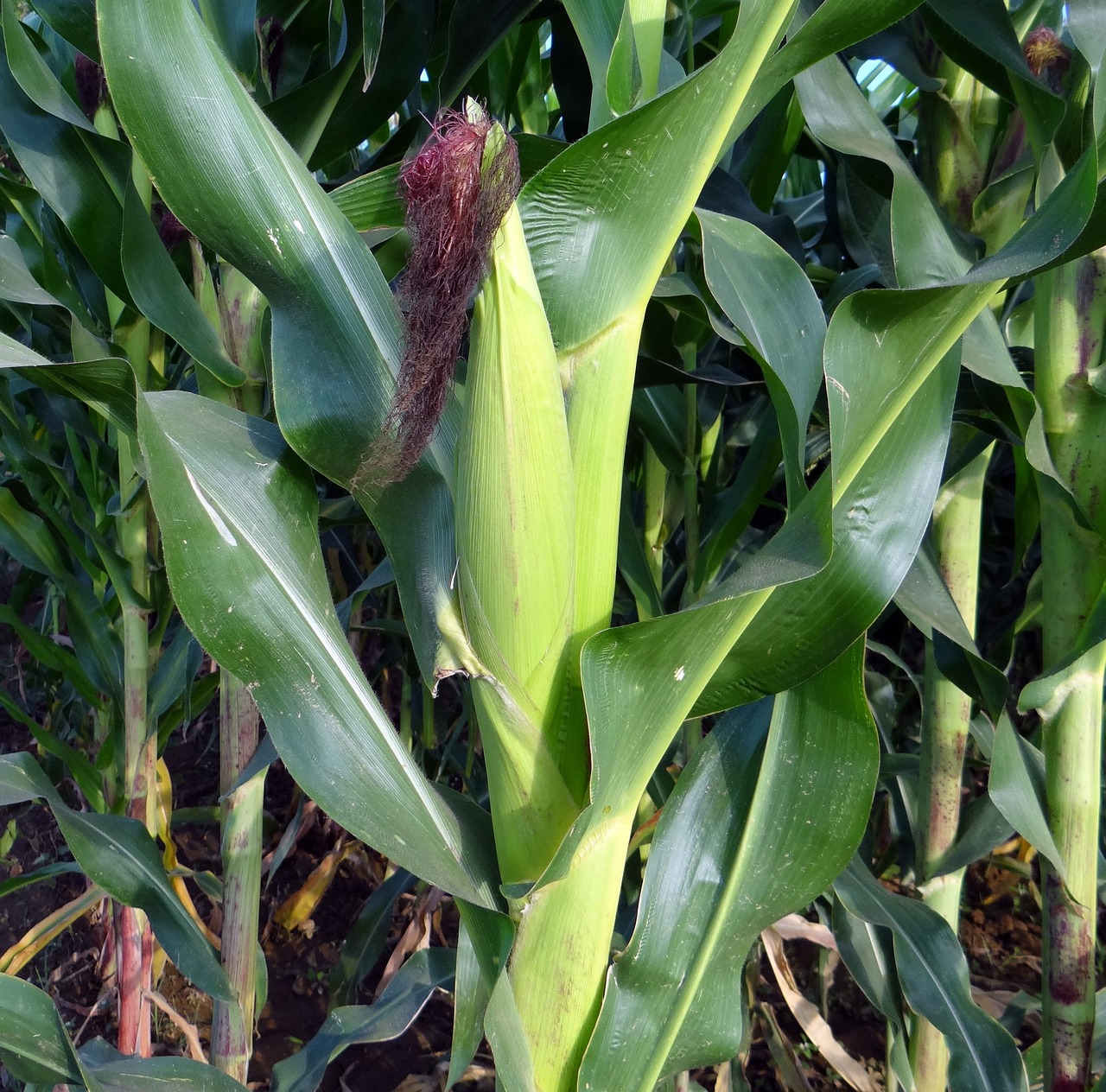
In the 2023/2024 farming season, Zambia’s fields literally felt the burn. A harsh regional drought slashed maize production down to 1.5 million metric tonnes, leaving the country with a heartbreaking deficit of over 2.1 million tonnes. And yet, despite planting more than 2.2 million hectares, the rain just didn’t play along.
Waterlogging – What It Is, How To Prevent It + Solutions

With the amount of rain we’ve received lately, you could be looking for a solution to save your farm from waterlogging. You may even have been expecting and praying for high rainfall this season for the proper growth of your crops. But, it seems the blessings are too much for the crops to handle.
How to prepare the soil for a vegetable garden
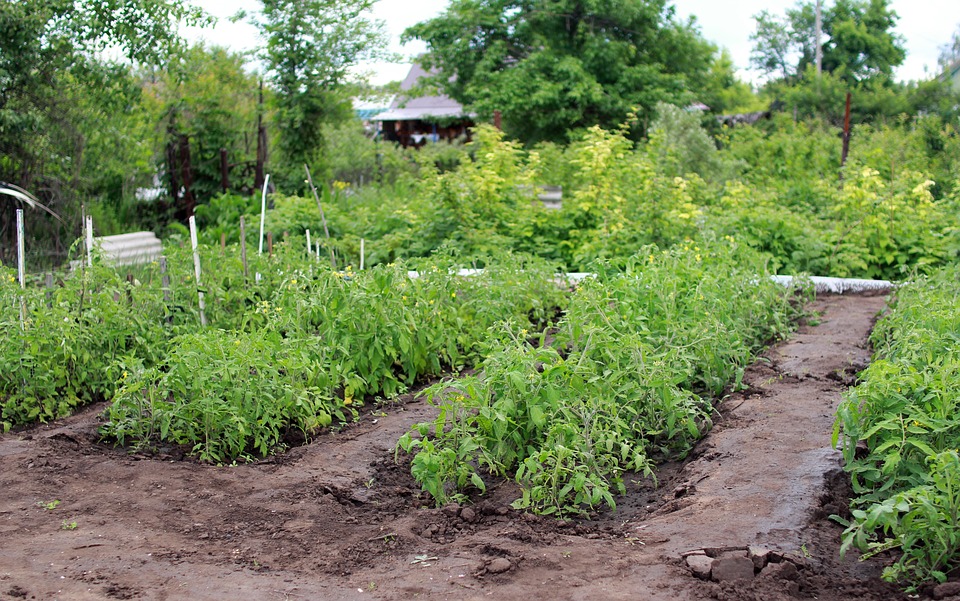
Most Zambians have vegetable gardens at home. Did you know that preparing your vegetable garden soil is an important first step to successfully growing your own food? You can’t have healthy, productive veggies without rich soil that allows the roots to grow deep enough to soak up nutrients. Here are a few things you need to do to get your vegetable garden off to a strong start.
How To Protect Your Chickens From Cats
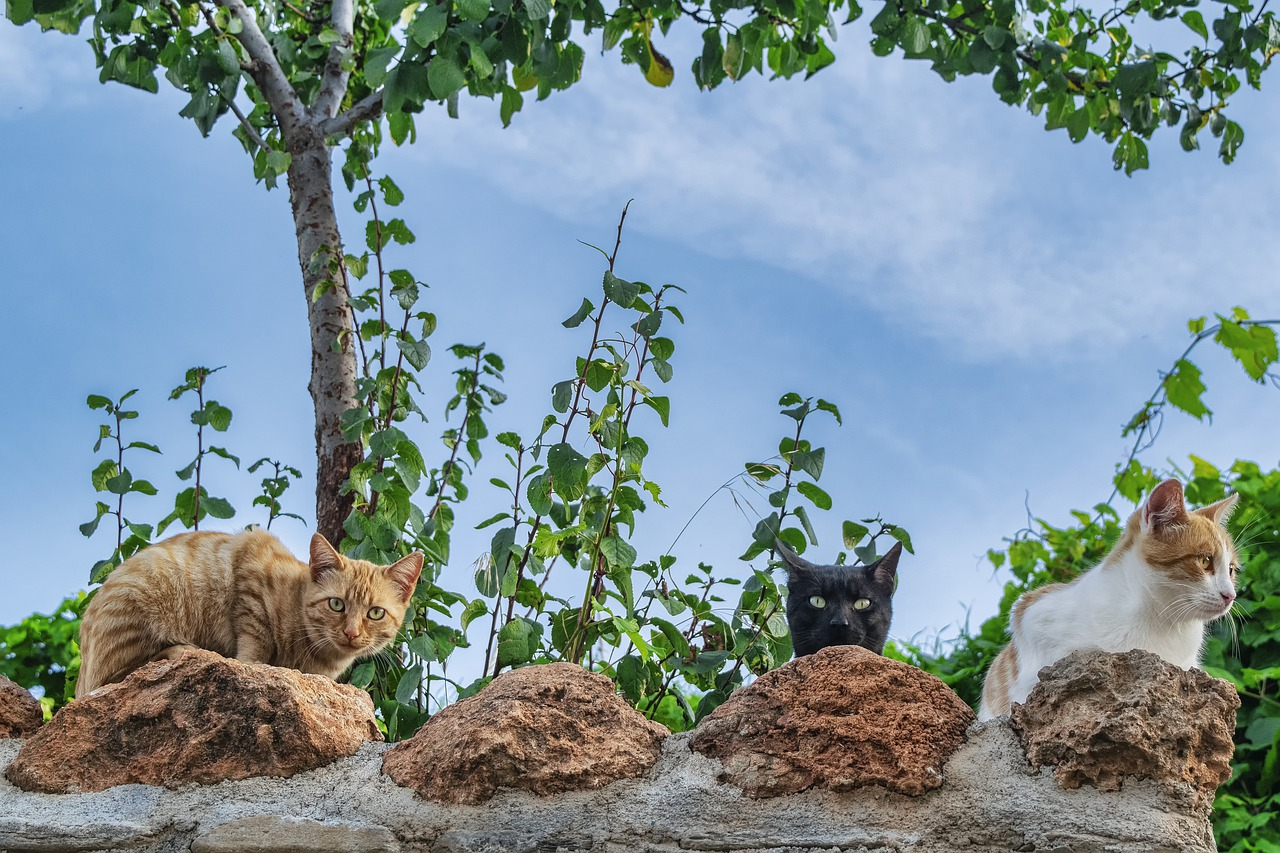
Unlike dogs and other domesticated animals, cats will always have a natural wild side. Just because they spend hours lounging beside a sunny window does not mean that cats won’t go after your feathered animals. Hunting is their primary purpose, therefore, cats may well be attracted to the lively frolics that a flock of chickens displays.