
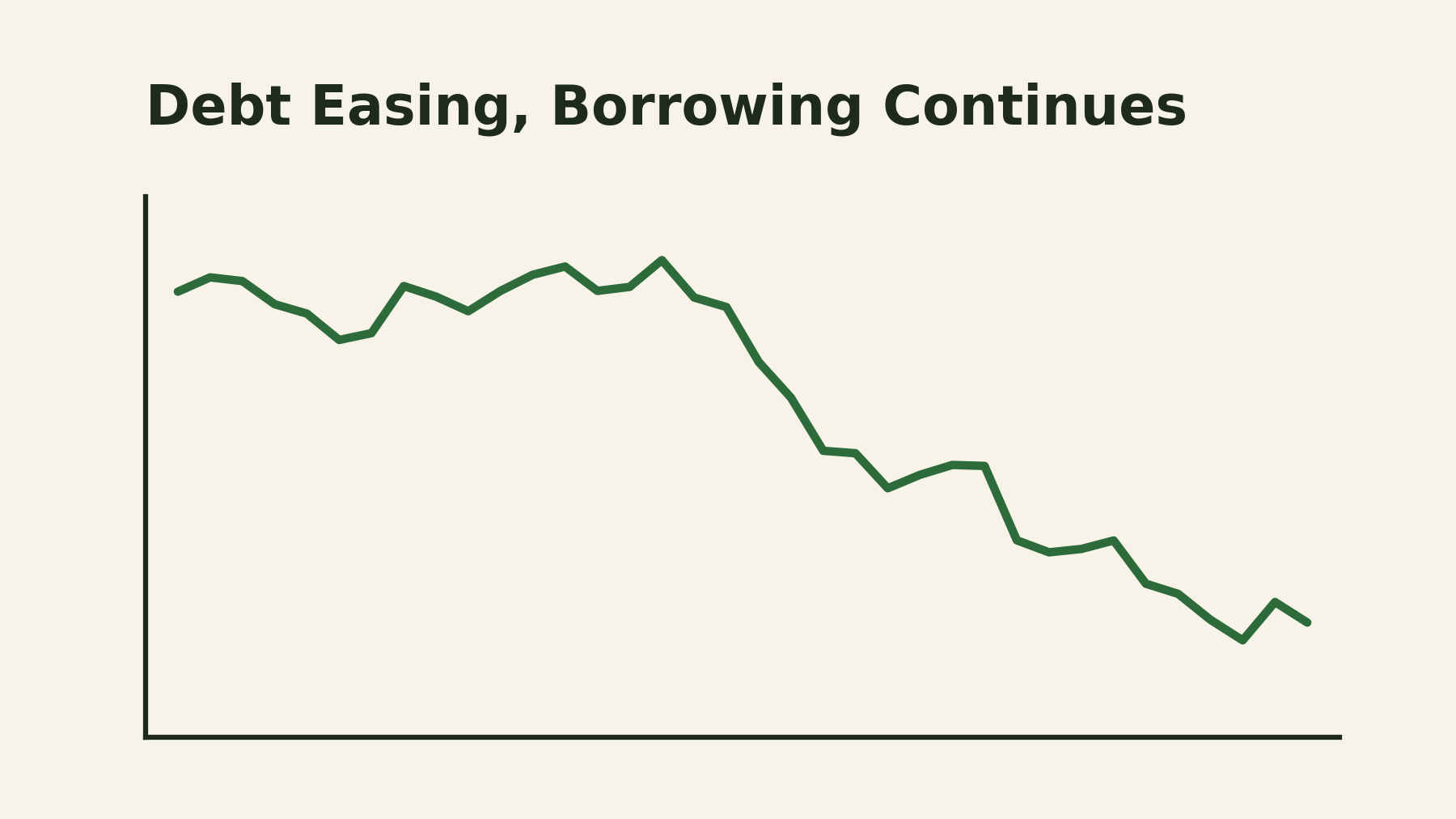
On 12 October 2026, President Hakainde Hichilema welcomed a Moody’s Ratings projection that Zambia will record one of the largest reductions in government debt in sub-Saharan Africa. Finance Minister Situmbeko Musokotwane is in Bangkok for the IMF and World Bank meetings, running from 12 to 18 October. Zambia is seeking financing for roads, electricity, border facilities and the Kazungula Bridge corridor. For agriculture, the significance lies in how investment in these areas could address some of the structural constraints facing producers and agribusinesses.
Analysis
Are there opportunities for farmers under the GROW ZAMBIA agenda?
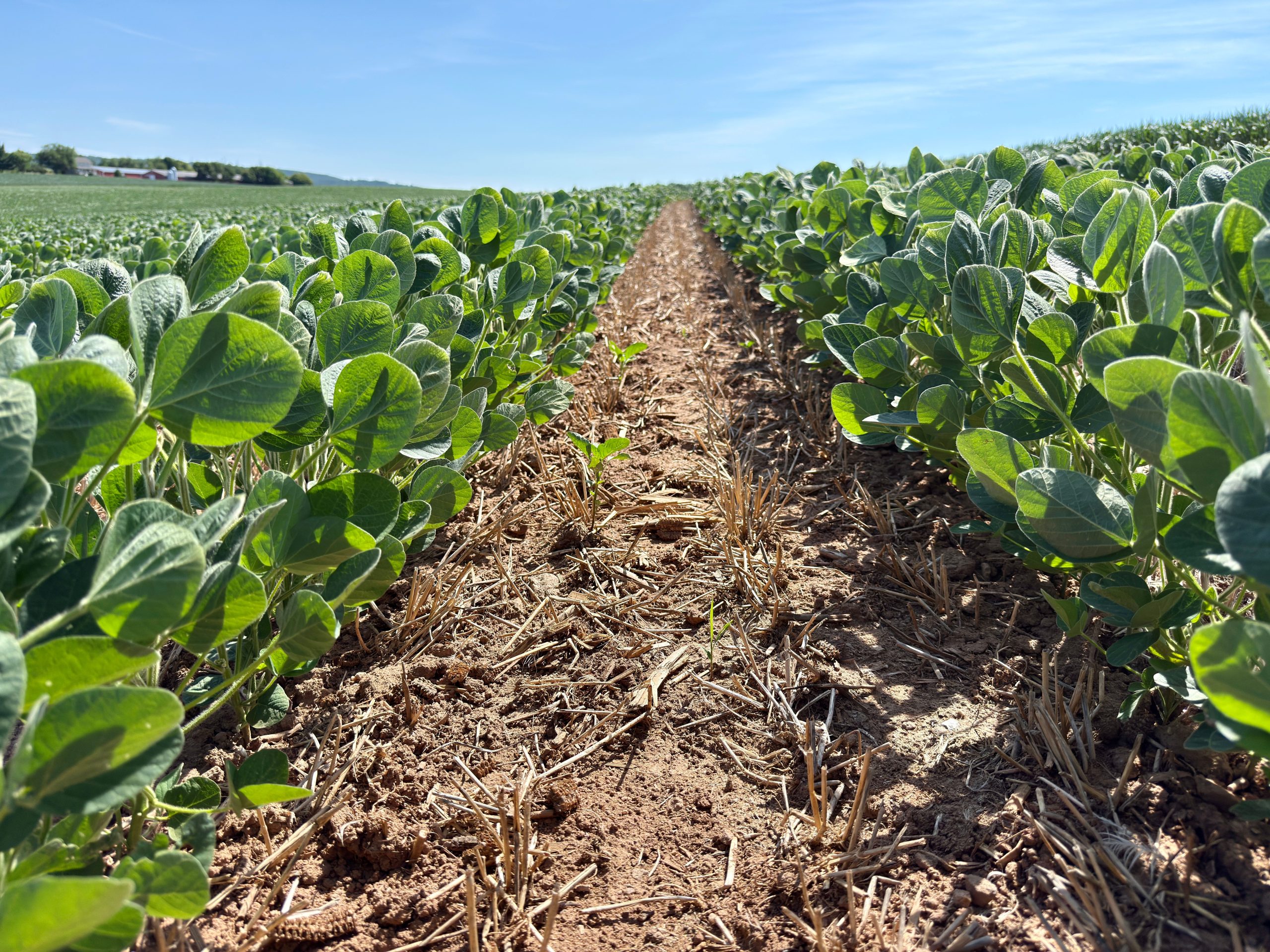
Zambia’s new Grow Zambia Agenda sets out eight measurable targets for the next five years: 10 million tonnes of maize, 10,000 MW of electricity, 5 million tourists, 3 million tonnes of copper, 3 million tonnes of soyabeans, 1 million tonnes of wheat, 1 million tonnes of sugar and US$1 billion in annual beef export revenue.
The Biggest Lesson from the 2026 Agricultural Show Wasn’t the Tractors

The dust has settled at the Lusaka Showgrounds following the 98th Agricultural and Commercial Show, held under the theme “Fostering Trade and Investment.” The theme wasn’t just a slogan but a reflection of the challenges and opportunities farmers are likely to face in the coming years.
How to Read a Seasonal Rainfall Forecast and Actually Plan Your Planting Dates
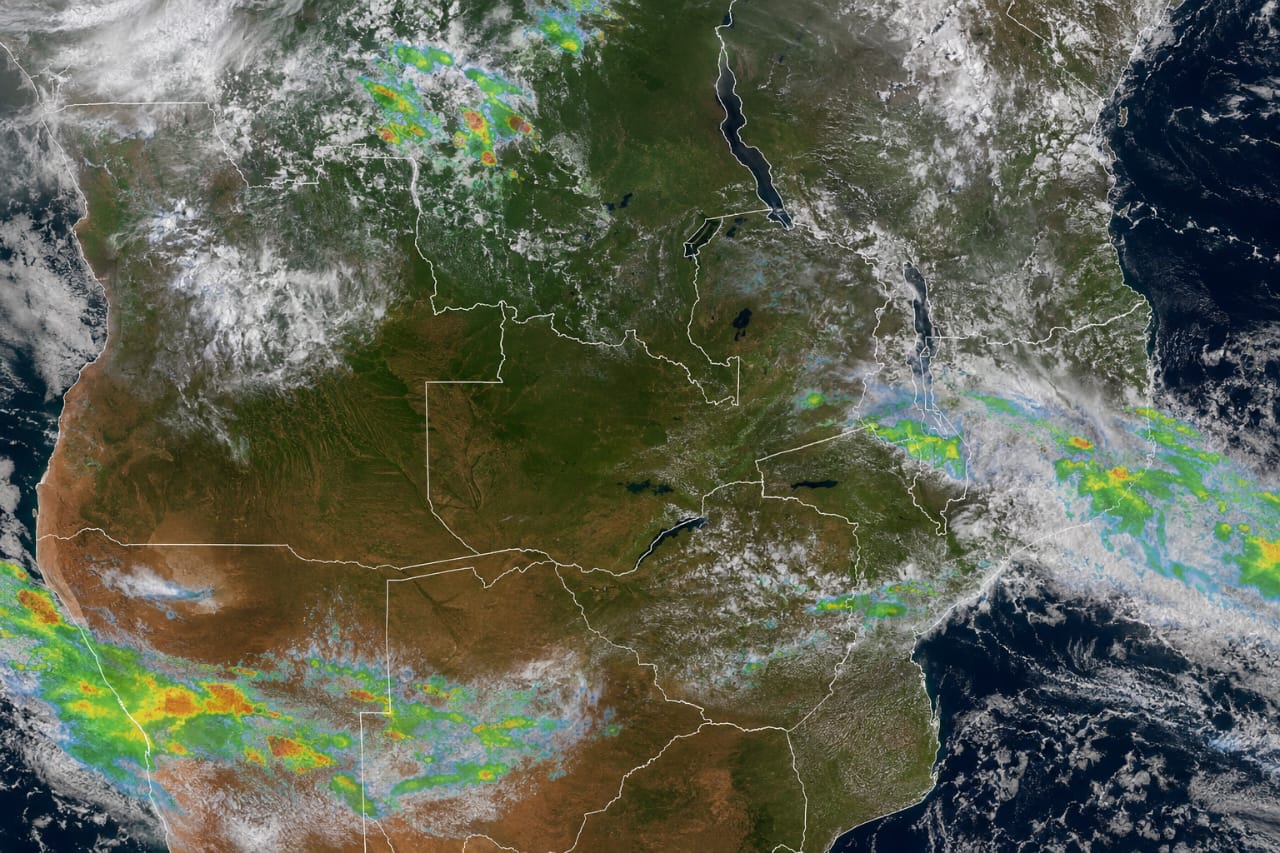
Every year, Zambia releases a seasonal rainfall forecast. Many farmers hear “normal to above-normal rainfall” and either assume it’s going to be a wet year or ignore the forecast completely.
Both reactions miss the point.
A seasonal forecast cannot tell you when it will rain. It estimates whether the season is more likely to be wetter, drier, or close to the long-term average. Used properly, it helps you decide when to plant, which varieties to choose, and how much risk to take. Here’s how to read it.
How did a $491 million farm grant become a mining corridor project?
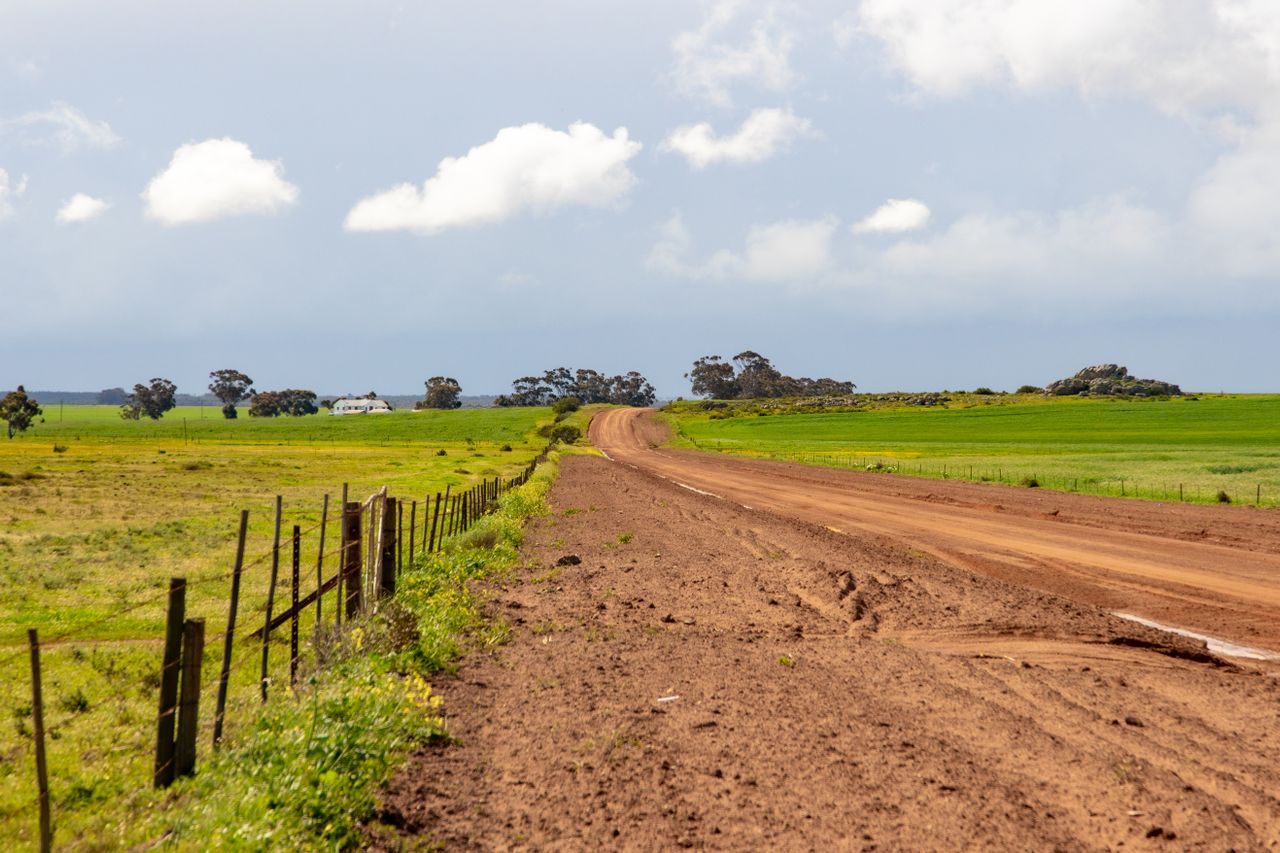
In October 2024, Zambia and the United States signed what looked like a landmark commitment to the country’s farming sector. The $491 million Farm-to-Market Compact was structured around four specific investment pillars: rural road rehabilitation in agricultural corridors, access to finance for irrigation, electricity, storage, and processing equipment, agricultural policy reform, and a facility to catalyse private investment in agriculture value chains. The language was unambiguous. This was money designed around farmers.
Zambia 2026 maize harvest hits record 4.9m tonnes, but fuel costs threaten farmer margins
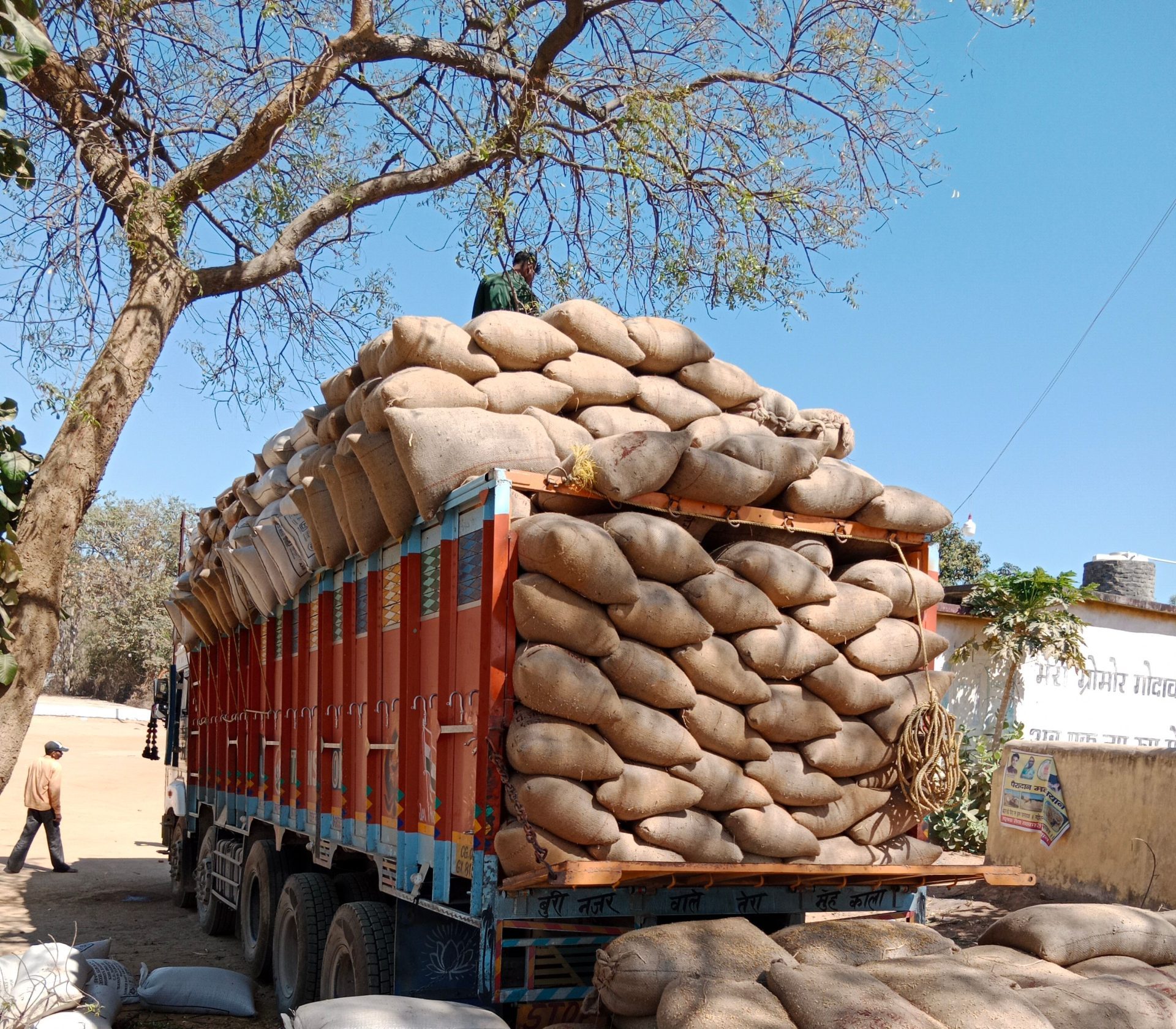
The 2025/2026 Crop Forecasting Survey projects Zambia’s maize production at approximately 4.94 million metric tonnes, the highest in the country’s history. This represents an increase of about 27.8% compared to last season’s estimated 3.9 million tonnes.
Zambia Launches $3.6 Million Climate Monitoring Initiative to Strengthen Early Warning Systems

Zambia’s $3.6M Climate Monitoring Initiative The Zambian government has launched a $3.6 million climate monitoring initiative, a move that carries significant implications for the country’s agricultural sector, which remains the primary livelihood for the majority of Zambians. Announced in Lusaka, the initiative is designed to overhaul Zambia’s meteorological infrastructure, strengthen early warning systems, and improve … Read more
What Maize Market Reform Means for Farmers Under CATSP
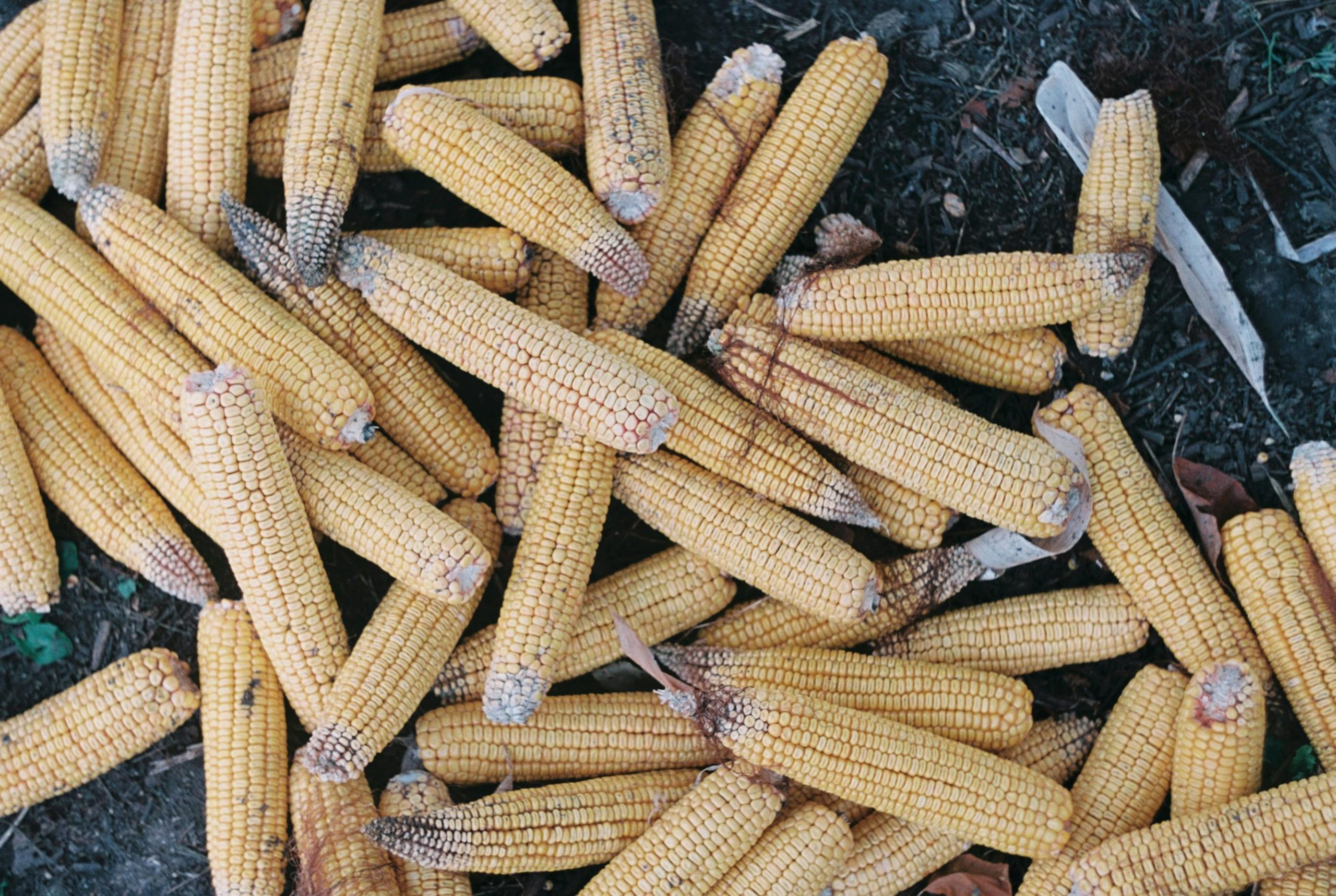
Zambia is entering a new era of farming. The Comprehensive Agriculture Transformation Support Programme (CATSP) is the government’s 10-year plan to move from traditional subsistence farming to a high-yield, commercialized industry. For the Zambian farmer, this means a shift in how you access financing, technology, and markets.
Can Zambia Become A Consistent Grain Exporter in Southern Africa?
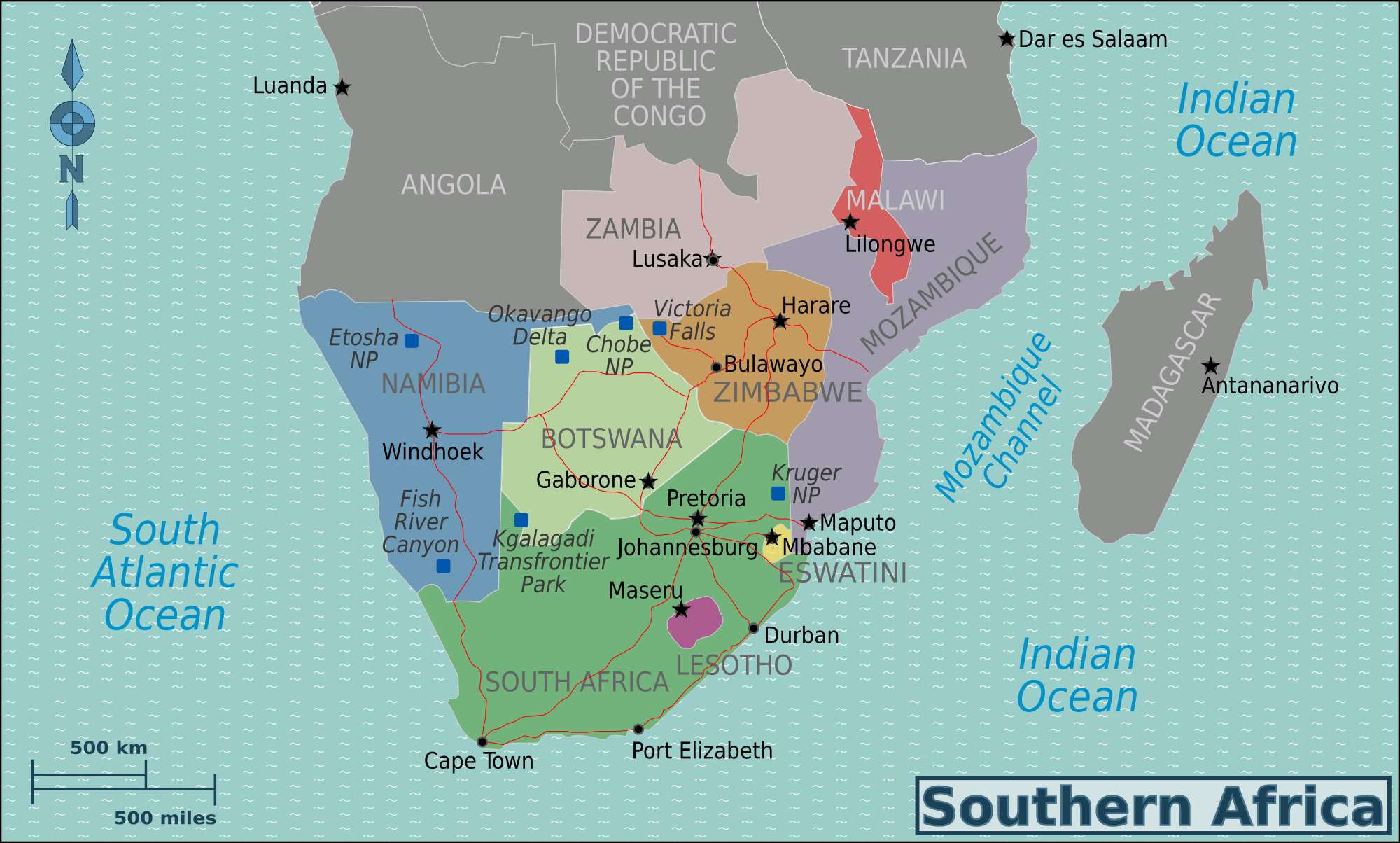
Envision a country producing enough food but still struggling to move it to markets. Without storage, transport, and clear export policies, a country can harvest large amounts of grain and still fail to become a regional supplier. That is the problem behind the grain basket conversation in Zambia. Many people say Zambia could become Southern … Read more
Can a Farmer Lose Land Acquired from a Chief After Developing It?
Imagine this. You approach a Chief. You follow tradition and are shown land. The headman confirms it and you clear it. You then build a house, construct poultry houses and a piggery, and plant fruit trees. Years later, someone informs you that you cannot remain on that land. Is that legally possible in Zambia? Let us look at what the law actually says.