Smart Data Yields Big Harvests to Feed the World

smart data

The global population is careening toward 11 billion by 2100, up 52.7% from the 7.2 billion recorded in 2014. Looking at a more immediate date and in our lifetime, 2050, the projected population climbs to 9.1 billion.

Is current agriculture production equipped to feed these masses, especially those in poorer, undeveloped regions? Can farmers keep up with the 80 million people that are added on average each year, and address the needs in sub-Sahara Africa, which is expected to have the highest growth?

Read more

How To Prune Herbs

prune herbs

If you want your herbs to grow into their most luscious, abundant self, then you need to know how to prune them. Pruning herbs or cutting off leaves and parts of stems helps them grow well. Left unpruned, your plant will grow and blossom but also starts to die. Regular pruning also alerts you to disease and insect problems that may start small and you could possibly remove before they affect the entire herb.

Read more

Growing Lettuce: An Overview

growing lettuce

Most lettuce varieties are quick and easy to grow and produce a harvest within a month or two. Lettuce does NOT like hot weather. Therefore, you can only grow it during the cooler months from May to July. Although it grows faster in full sun, it is one of the few vegetables that tolerates some shade. What’s more, you can grow lots of lettuce in a small space. You can even grow it with other taller plants like tomatoes.

Read more

Sweet Potatoes: From Planting To Harvesting

sweet potatoes

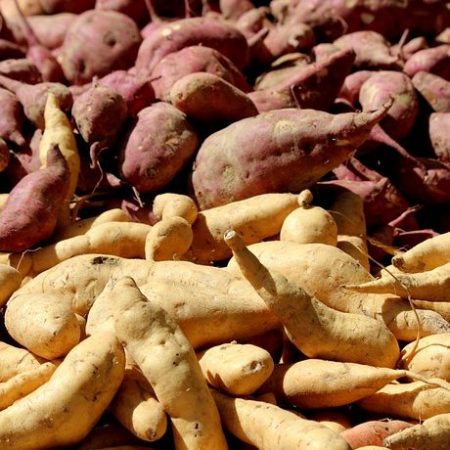
Sweet potatoes are tropical plants that grow best when it’s hot. The plants are sensitive to shade which leads to low yield. However, for maximum root filling to occur, the temperature should be between 25-32°C. Higher temperatures slow photosynthesis leading to vegetative growth (lots of kalembula) and not for tuber filling. Preparing to plant Sweet … Read more

Growing bananas – An Overview

growing bananas in Zambia

Banana plantations can last a long time. However, if you want good harvests, you must dig up the plantation after 7 to 10 years. Some commercial farmers dig up after 4 years. You’ll also have to practice crop rotation and plant legumes such as beans for 2 years before you plant on the land again.

Read more

If you don’t know the potential of cassava as a cash crop, then you need this…

Cassava

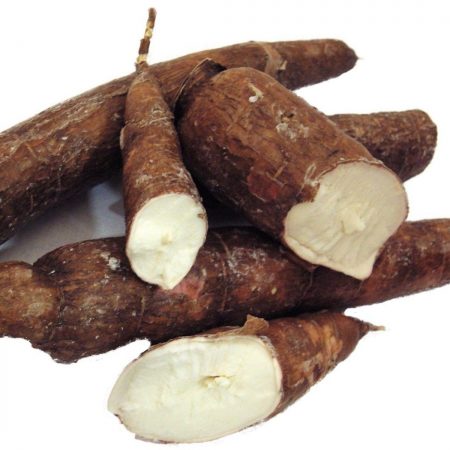
CMT’s 3rd Cassava World Africa summit presents cassava market business prospects across Zambia, Mozambique, Uganda, Nigeria and Tanzania. On 10-11 October 2017, at the Radisson Blu Hotel Lusaka, they take stock of Africa’s cassava commercialisation success stories – across food and non-food applications and challenges hindering the region from a complete ‘transformation’ despite producing large volumes of cassava!

Read more

error: