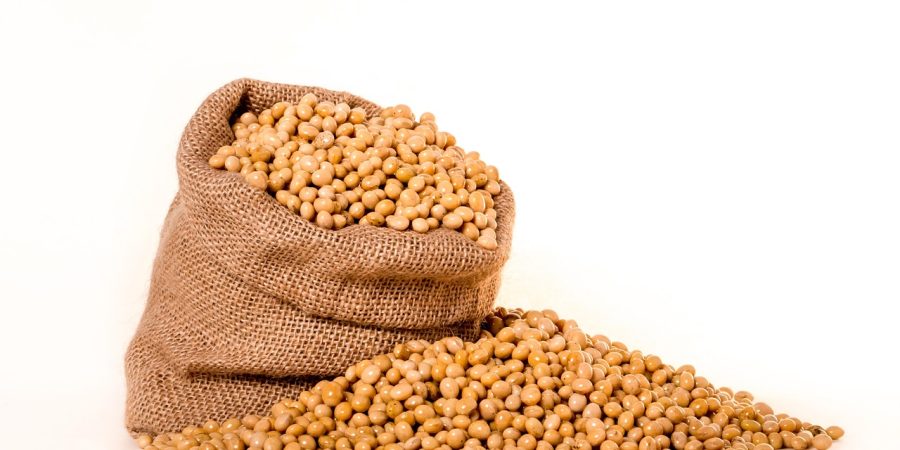
Zambia’s Soya Beans Export Pulse (2021–2022 Data)
Where Our Beans Go, Who Pays More, and What Farmers Should Know
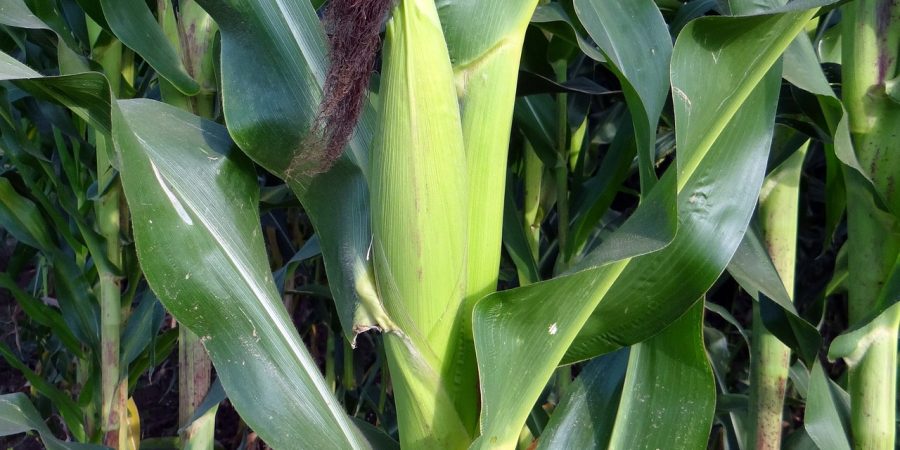
Maize is Zambia’s staple crop, but very few people understand what it truly takes to farm it at scale. Five hectares sounds small on paper, yet it sits at an awkward middle ground, too big for casual farming, too small for full mechanisation, and too expensive to treat lightly. This article breaks down the difference… Read More What You Actually Need to Farm 5 Hectares of Maize -Traditionally vs Commercially
Zambia has signed a $77 million maize export deal with Malawi for 200,000 metric tonnes of grain. The agreement between Zambia’s Food Reserve Agency (FRA) and Malawi’s National Food Reserve Agency is being praised as a sign of strong regional cooperation. Is this the right move right now?
Imagine a maize farmer in Sesheke, in Zambia’s Western Province. Let’s call her Martha. She has a good harvest this year, bags of maize stored neatly, ready for sale. But there’s a problem: the local market is saturated, prices are low, and buyers are slow to pay. Just across the border in Namibia, however, traders… Read More How ID Based Travel Between Botswana, Namibia and Zambia Could Transform Opportunities for Zambian Farmers
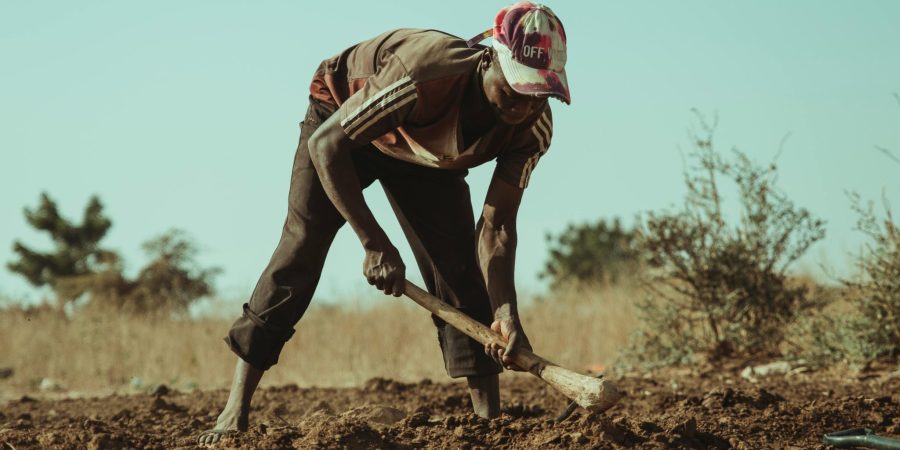
Under the relentless midday sun, 62-year-old Chomba bends over, weeding his maize field, his back protesting with each movement. He’s been farming this land since he was 18, but these days, the work feels heavier. His sons? They left for Lusaka years ago. “Farming is for old men,” they told him. Chomba isn’t alone. Across… Read More Are Zambian Farmers Getting Too Old?
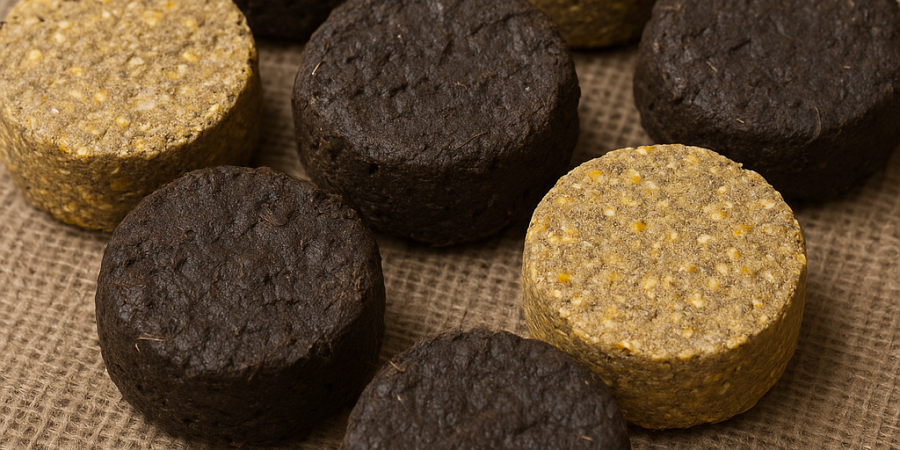
Charcoal is a great fuel to fire up your braii stand or mbaula, with a reliable burn and a low smoke output. However, every time you use charcoal or firewood for cooking, you are contributing heavily to deforestation and greenhouse gas emissions. As climate change becomes a more urgent concern, finding eco-friendly fuel alternatives is essential.… Read More Making Eco-Friendly Charcoal from Maize Cobs and Cow Dung
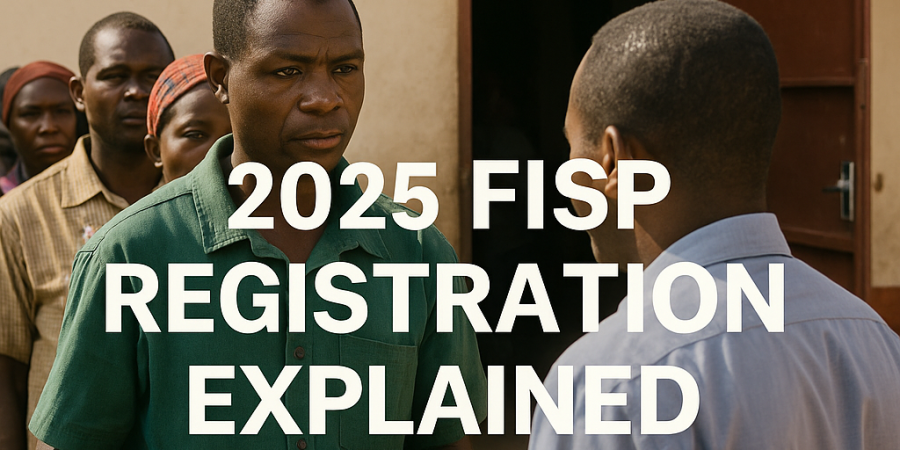
Smallholder farmers across Zambia can now access subsidized seeds, fertilizer, and livestock inputs more efficiently than ever through Zambia’s e-Voucher system. This is the government’s flagship digital solution under the Farmer Input Support Programme (FISP). With the full nationwide rollout in all 116 districts this season, this guide breaks down exactly how to register, redeem… Read More 2025 FISP Registration: Zambia’s e-Voucher System Explained
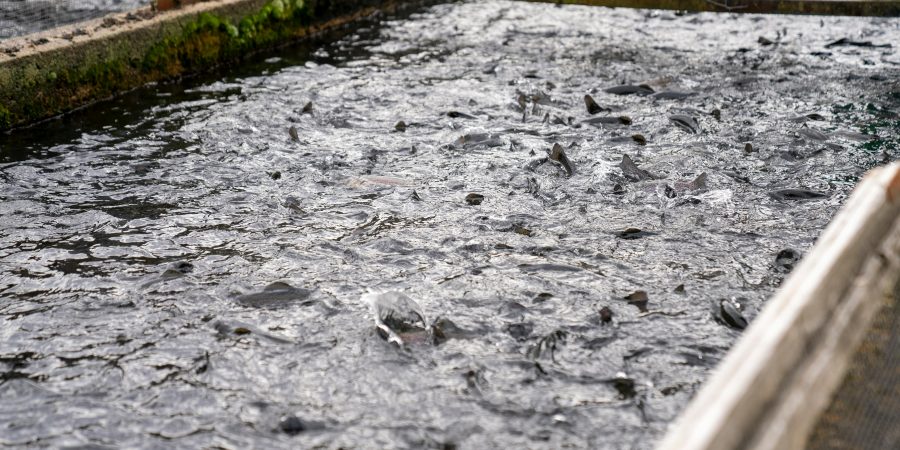
Deep in Luwingu District, where quiet ponds glisten under the northern sun, a group of resilient small-scale farmers are building something extraordinary. It is a vision of aquaculture that could feed families, build incomes, and transform rural livelihoods. A recent study gives us an intimate look into their lives, their practices, and their potential..
That is the question many are asking as Zambia enters a new crop marketing season. The Food Reserve Agency (FRA) has announced that it will buy a 50-kilogram bag of white maize at K340, up from K330 last year. While the increase is modest, it represents a step toward supporting farmers after a year that… Read More Should the FRA Have Raised the Maize Price?
Zambia’s cold season, running from May to August, is the perfect time to grow certain crops that actually prefer cooler temperatures. While some plants go dormant or struggle in the chill, others thrive, offering farmers a smart opportunity to keep producing food and income.These five crop categories are cold-season champions.