
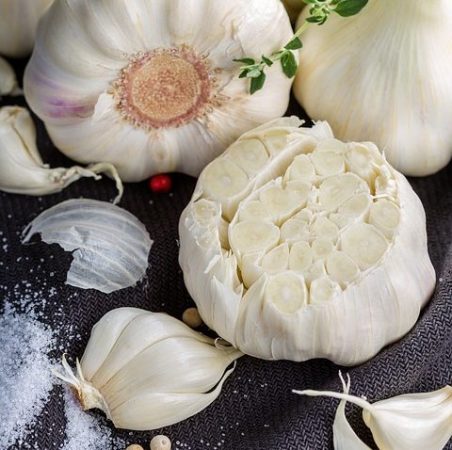
Garlic is very easy to plant, grow and harvest. In fact, the plants are so compact that you can grow a large amount of garlic in a small space. But as much we love to grow and sell products straight from the field, it’s important to try and diversify into value-added products. This means changing your raw garlic product into something new through packaging, processing, drying etc. So, today, I’ll give you a few ideas about what kind of products you could be making from raw garlic.
Crops
Growing Mushrooms: An Overview

If you plan to grow mushrooms commercially, you’ll have to consider indoor cultivation. This is because you’ll be able to have more control over environmental conditions. However, indoor mushroom cultivation is more involving compared to outdoor cultivation. But it can also be the most consistent and financially rewarding. It offers better returns than most agribusinesses in Zambia.
Growing Carrots In Zambia: From Planting To Harvesting

There’s no vegetable that tastes better than a sweet, orange carrot freshly plucked from the soil. Rich in vitamins B1, B2, C and particularly carotene (pro-vitamin A), they are a “high in demand vegetable.” Your bank account will definitely thank you.
5 Tips for growing drought resistant crops in Zambia

Due to changing weather patterns, it’s not clear when the rainy season starts in Zambia.
Most small scale farmers control the amount of moisture their plants receive by simply watering them. Regardless, it’s important to modify some of the traditional farming practices especially if you’re a large scale farmer.
And if nature is not supplying the moisture, you need to ensure that you plant the correct crops.
Nitrogen Fixing Plants You Should Be Planting In Your Field
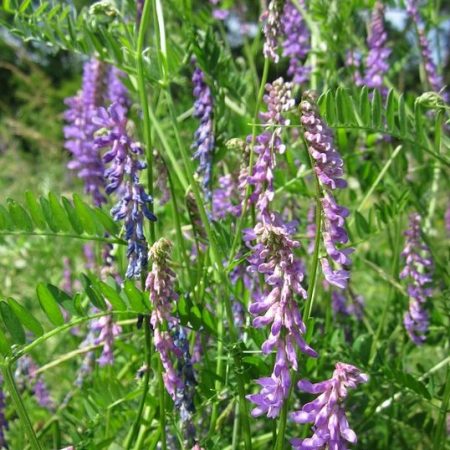
When you want to increase the yield of a crop, you have to understand the plants needs. You also have to provide the extra nutrients to replace those removed during harvest particularly the most vital elements for plant development, Nitrogen.
Bell or chili, hot or sweet peppers—it’s time to plant

Peppers grow easily in a well-drained spot. But what makes peppers easier to grow in Zambia is the beautiful sun that shines on our land. Most sweet peppers mature in 60-90 days. But hot peppers can usually take up to 150 days. This, however, doesn’t include the days before transplanting. Germination can 8-10 weeks. So, whether you’re planning to grow hot or sweet peppers, here are some tips to help you get started.
Basics On Planting Garlic

Garlic isn’t hard to grow. It has a few important requirements that you can easily meet. These include decent soil, adequate moisture, and, of course, planting and harvesting at the right time. Here are a few basics that will guide you:
Go from Planting to selling trendy leaves in less than one month

Microgreens are not just the latest culinary craze but can yield serious agricultural dividends in Zambia without spending alot of money or using much space. So what’s the catch? A short shelf life. That is, one week, maximum, even when refrigerated.
How to plant and grow Cashew

The cashew nut is mainly farmed in the west of Zambia. With low production levels, low cashew quality and the lack of quality standards, this is definitely an agricultural opportunity to explore in Zambia.
Cashews grow on trees. They are also known as nuts. However, the cashew nut is not the only fruit of the cashew tree. The other part is called the cashew apple. The cashew nut is found inside the kidney shaped shell that is attached to the bottom of the cashew apple.
Onions – Low maintenance crops for beginner farmers

Does a cook ever have enough onions? Pungent bulb onions are great and add flavour to any meal. I must say, we Zambians use onions in everything. As an agricultural farmer in Zambia, you need to tap into this need. So, if you’re thinking about growing onions on a large scale, then this article could help you make that decision.