
Many farmers slow down planting towards the end of March because the rainy season is ending. The assumption is that crops will struggle once temperatures begin to drop. However, this period can actually work in your favor. Cooler weather reduces pest pressure and helps certain crops develop better flavor and structure. By choosing crops that tolerate mild cold and shorter days, Zambian farmers can still produce reliable harvests during the transition into the cold season.
Garlic
Garlic is one of the most suitable crops to plant in March. The crop requires a long growing period and performs best when planted before cooler weather begins. When garlic experiences cooler temperatures during its growth cycle, the plant receives the signal to begin bulb formation, a process known as bulbing. This temperature change helps cloves divide properly and form larger bulbs. Planting garlic too late often results in small bulbs because the plant does not experience enough cool conditions. Garlic is usually planted from individual cloves rather than seed, and well-drained soil is important because waterlogged conditions can cause rot. Click here to read more about growing garlic
Brassicas
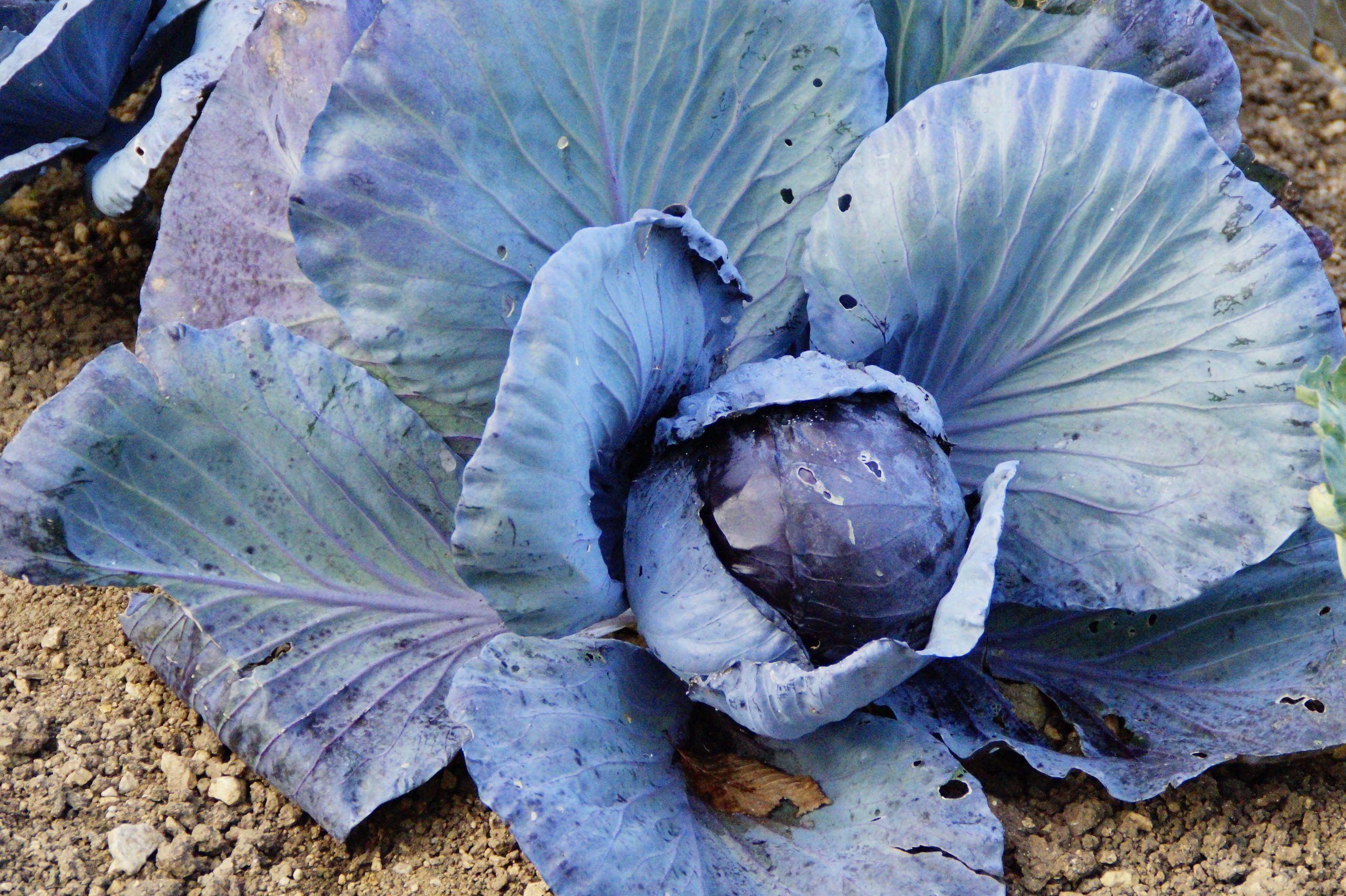
The term brassicas refers to vegetables such as cabbage, broccoli, cauliflower, and kale. These crops naturally prefer cooler conditions and tend to grow better as temperatures decline. Heat can cause several problems in brassicas, including loose heads in cabbage and premature flowering in crops like broccoli. Cooler temperatures slow plant growth slightly, but they improve head formation and leaf quality. This is why many farmers intentionally grow brassicas during cooler months. Planting in March allows seedlings to establish while soil moisture from the rainy season is still available. Click here to read more about growing cabbage
Carrot
Carrots are another crop that benefits from cooler growing conditions. High temperatures can lead to poor root development and reduced flavor. When grown in cooler conditions, carrots often develop higher sugar content, which improves taste. This happens because the plant converts stored starch into sugars as a natural response to cooler temperatures. Loose soil is essential because carrot roots grow downward into the soil profile. If the soil is compacted or full of stones, the roots can become forked or misshapen. Click here to read more about growing carrots
Peas
Peas are a classic cool-season crop and struggle in hot conditions. When temperatures rise too high, pea plants stop flowering and pod production declines sharply. Planting in March allows peas to grow during a period when temperatures gradually become more suitable. Another advantage is that peas belong to the legume family and can fix nitrogen from the air through bacteria in their root nodules. This natural process improves soil fertility and can benefit the crops that follow in the field.
Beetroot
Beetroot performs well in moderate temperatures and can tolerate cooler conditions better than many other vegetables. During early growth the plant focuses on establishing its root system before expanding the edible root. This is why beetroot sometimes appears slow at the beginning. Cooler conditions help the plant develop a firm, well-shaped storage root rather than growing excessive leafy tops. Consistent moisture and adequate spacing are important because crowded plants produce smaller roots.
Planting garlic, brassicas, carrots, peas, and beetroot in March allows farmers to take advantage of the seasonal shift into cooler weather. These crops are biologically adapted to moderate temperatures and, in several cases, actually improve in quality when grown during cooler periods. Understanding why certain crops perform better in different seasons helps farmers plan planting calendars more effectively rather than stopping production once the rainy season ends.