Envision a country producing enough food but still struggling to move it to markets. Without storage, transport, and clear export policies, a country can harvest large amounts of grain and still fail to become a regional supplier. That is the problem behind the grain basket conversation in Zambia. Many people say Zambia could become Southern Africa’s consistent grain exporter, but that requires more than producing maize.
Why the “grain basket” conversation keeps coming back
Zambia has strong agricultural potential. She has around 42 million hectares of land suitable for agriculture, yet only about 15% is currently cultivated according to the Ministry of Agriculture. Rainfall in many provinces is also higher than in several neighboring countries. Because of this combination of land and rainfall, Zambia is often described as having the capacity to supply food to the region. But potential and reality are not the same thing.
The Southern African region often needs grain
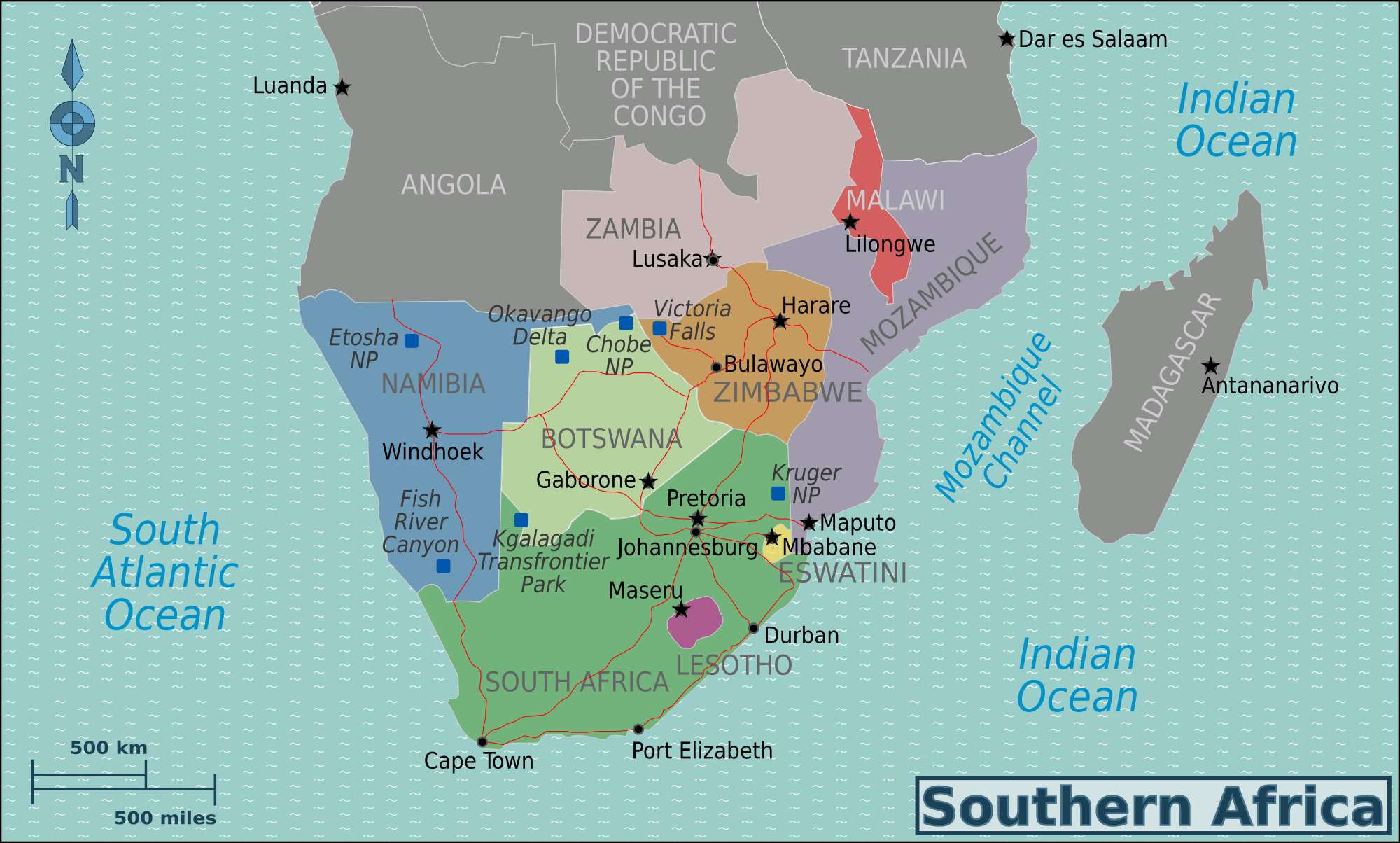
Southern Africa regularly faces production shocks. Droughts have affected countries such as Zimbabwe, Malawi, and parts of Mozambique in recent years. When this happens, those countries often import grain to stabilize food supplies.
Regional trade data from the Southern African Development Community (SADC) shows that maize and other grains frequently move between countries depending on weather conditions. Zambia sometimes becomes a supplier during good seasons. For example, Zambia has previously exported maize and maize meal to countries such as:
- Democratic Republic of Congo
- Zimbabwe
- Malawi
- Tanzania
These exports increase when Zambia has surplus production. The Food Reserve Agency (FRA) plays a major role here because it buys maize from farmers and helps maintain national reserves before exports are approved. However, exporting grain consistently requires stable production and predictable policy.
Related Article: What You Actually Need to Farm 5 Hectares of Maize
Production is not the main problem
Zambia can produce large quantities of grain. Maize production has exceeded 3 million tonnes in several seasons, according to data from the Zambia Statistics Agency and the Ministry of Agriculture. But production alone does not make a country a grain basket.
Three structural challenges that often limit Zambia’s ability to supply the region
Transport: Moving grain from rural areas to markets is expensive. Many farming areas are far from rail lines or major highways.
Storage: Farmers often lose grain after harvest because of poor storage, pests, or moisture.
Policy uncertainty: Export bans or delayed export approvals make regional buyers hesitant to rely on Zambia as a long-term supplier.
Researchers from the World Bank and the International Food Policy Research Institute have repeatedly pointed out that inconsistent export policies discourage private investment in grain trading.
Being a consistent grain exporter means more than maize
When people talk about Zambia becoming a grain basket, they often focus only on maize. But a real regional food supplier produces different crops. Zambia already grows other important crops, including soya beans, groundnuts, wheat, sorghum, and sunflower.
Soya bean production, in particular, has expanded quickly due to demand from stockfeed manufacturers and the poultry industry. According to FAOSTAT data, soybean production in Zambia has grown significantly over the past decade. Diversifying crops strengthens food systems. It also protects farmers from depending too heavily on a single commodity.
You might also like: Simple Techniques to Increase Maize Yield for Higher Profits
What farmers need for Zambia to become a grain basket
If Zambia wants to be taken seriously as a regional supplier, several improvements are necessary.
- Better storage
- Improved grain storage reduces post-harvest losses and stabilizes supply.
- Reliable export policies
- Farmers and traders need predictable rules for regional trade.
- Market access
- Infrastructure such as roads and railways must connect production areas to regional markets.
- Private sector participation
Grain traders, millers, and processors play an important role in moving food across borders. Without these systems working together, large harvests alone will not transform Zambia into a grain basket.
The opportunity is still there
Despite the challenges, Zambia remains one of the few countries in the region with the land and water resources needed to produce food at scale. With better storage, stable trade policies, and stronger regional market links, Zambia could supply grain not only to neighboring countries but also to larger regional markets.
The potential is clear. The real question is whether the systems around farming will develop fast enough to support that role.
Sources
https://www.agriculture.gov.zm/wp-content/uploads/2023/05/DRAFT-CATSP-Version-02-April-2023-1.pdf
https://saiia.org.za/wp-content/uploads/2016/06/001-Maize-Value-Chain-in-the-SADC-Region.pdf
https://www.zamstats.gov.zm/zambia-records-a-surplus-of-501621-metric-tonnes-of-maize/
https://www.unido.org/sites/default/files/unido-publications/2025-04/ASTA_Zambia%20SoybeanVC_2025_en.pdf