
Zambia is entering a new era of farming. The Comprehensive Agriculture Transformation Support Programme (CATSP) is the government’s 10-year plan to move from traditional subsistence farming to a high-yield, commercialized industry. For the Zambian farmer, this means a shift in how you access financing, technology, and markets.
CATSP was officially approved by the Zambian Cabinet in March 2024 and formally launched later that year as the country’s Second National Agriculture Investment Plan (NAIP II). It was built to succeed the older investment frameworks and align with the Eighth National Development Plan (8NDP). Currently, the program is in full implementation mode across the country, running alongside the Farmer Input Support Programme (FISP) while the government transitions toward more sustainable, credit-led facilities like the Sustainable Agriculture Financing Facility (SAFF).
What has been implemented so far is largely foundational. Policy frameworks are in place, and key systems around digital access, mechanisation, and financing have started, with some visible activity on the ground. However, nationwide impact is still ahead, with the period from 2025 to 2030 expected to mark full-scale execution as Zambia moves from policy into implementation.
Market Access and Value Addition
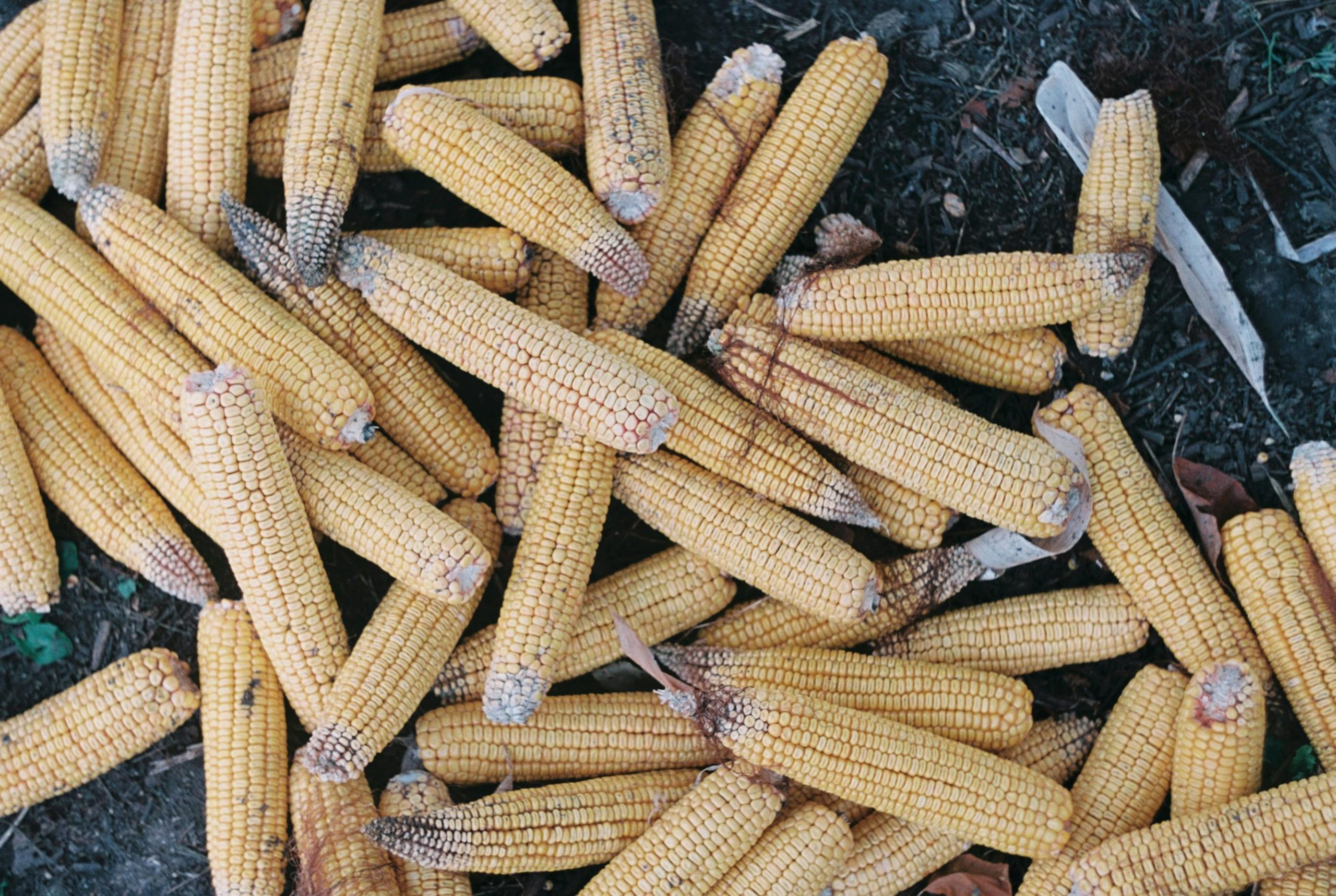
The government aims to triple maize production to 10 million metric tons by 2031. To achieve this, the focus is shifting toward precision farming, irrigation expansion and mechanization. Producing a crop is only half the battle. Selling it for a profit is the other. The CATSP aims to reduce post-harvest losses to under 15% by:
- Infrastructure Development: Improving feeder roads and storage facilities in rural hubs.
- Agro-Processing: Encouraging farmers to move into value addition like turning sunflowers into oil or groundnuts into paste. This helps to capture more profit locally.
- Export Opportunities: Positioning Zambia as the “food basket” for the SADC and COMESA regions, allowing farmers to tap into international markets.
Key Opportunities for Growth
Better access to financing: Through facilities such as the Sustainable Agriculture Financing Facility (SAFF), farmers can more easily access credit for inputs like seed, fertilizer, irrigation, and equipment. The intention is to reduce dependence on seasonal cash constraints.
Climate-focused production: CATSP promotes climate-smart practices such as conservation farming, drought-tolerant seed varieties, and improved soil management. The focus is resilience, not just yield.
Diversification beyond maize: Farmers are encouraged to expand into crops like soybeans, sunflower, and livestock. The purpose is simple: reduce reliance on a single income stream and improve cash flow throughout the year.
What This Means for Your Business
1. Producing for the Regional Market
Under CATSP, you are no longer just growing for the FRA (Food Reserve Agency). You are growing for the SADC and COMESA region. This means focusing on quality and standards. If your grain is clean and well-graded, it can be sold to neighbouring markets, especially the wider regional trade space. This means your price is no longer purely “local”. It reacts to regional demand and supply conditions. In simple terms, when there is a shortage elsewhere, your maize becomes more valuable. When there is oversupply locally, prices drop even if your harvest is good.
2. Higher Margin Opportunities and Risk Exposure
The previous system absorbed some price shocks through government intervention. The new system removes that buffer. The result is a more volatile market, meaning prices can rise sharply when regional demand strengthens. Prices can also fall significantly during surplus production years
3. Delaying Sales to Gain Pricing Power
Harvest periods typically coincide with peak supply and lower prices. The ability to store maize and delay sales introduces the possibility of capturing higher prices later, particularly when regional demand strengthens.
CATSP aims to improve rural storage and warehouse systems. If you can store your harvest safely and wait, you gain “pricing power.” Selling later allows you to dictate a better price when supply is low and demand is high. You can now respond to price increases instead of accepting early lows. In practice, storage shifts power from the buyer to the farmer.
Conditions for CATSP to Work
The Comprehensive Agriculture Transformation Support Programme (CATSP) targets 10 million tons of maize and 1 million tons of wheat by 2031. These are ambitious production goals.However, increased production alone does not guarantee success. For these targets to translate into economic value:
- Predictable trade environment: Farmers need stable export and pricing policies to plan production and investment.
- Functional logistics: Transport routes, storage systems, and market access corridors must reduce post-harvest losses and transaction costs.
- Reliable extension support: Farmers need consistent technical guidance that goes beyond input distribution and focuses on production and market decisions
Summary Checklist for Farmers
To align your farm with the CATSP and benefit from upcoming opportunities, consider these steps:
- Register with Local Extension Officers: Ensure you are in the government database for input support and training.
- Explore Irrigation: Look into small-scale irrigation kits to enable a second crop cycle.
- Diversify your Fields: Don’t rely solely on maize; consider soybeans, sunflower, or livestock to enhance resilience.
- Join a Cooperative: Organized groups have better bargaining power for both inputs and selling prices.
I need help