

Watermelons are greedy. They need a lot of room to spread, a lot of water, good drainage, lots of sunlight and lots of nutrients. Despite all these needs, they are very easy to grow. Watermelons grow from seed. However, don’t use seed out of melons you bought because they probably hybrids which are special crosses that don’t grow true to type.
Crops
Growing Cabbage: A Guideline
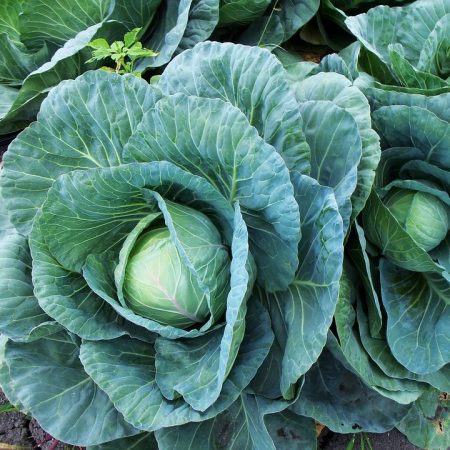
When you grow your cabbage successfully, you’re guaranteed bumper harvests. What’s more is the fact that you can plant cabbages throughout the year. All you need is enough land to rotate your crops as well as disease and pest control and you can enjoy non-stop harvests.
How To Prune Herbs

If you want your herbs to grow into their most luscious, abundant self, then you need to know how to prune them. Pruning herbs or cutting off leaves and parts of stems helps them grow well. Left unpruned, your plant will grow and blossom but also starts to die. Regular pruning also alerts you to disease and insect problems that may start small and you could possibly remove before they affect the entire herb.
Growing Lettuce: An Overview

Most lettuce varieties are quick and easy to grow and produce a harvest within a month or two. Lettuce does NOT like hot weather. Therefore, you can only grow it during the cooler months from May to July. Although it grows faster in full sun, it is one of the few vegetables that tolerates some shade. What’s more, you can grow lots of lettuce in a small space. You can even grow it with other taller plants like tomatoes.
Sweet Potatoes: From Planting To Harvesting
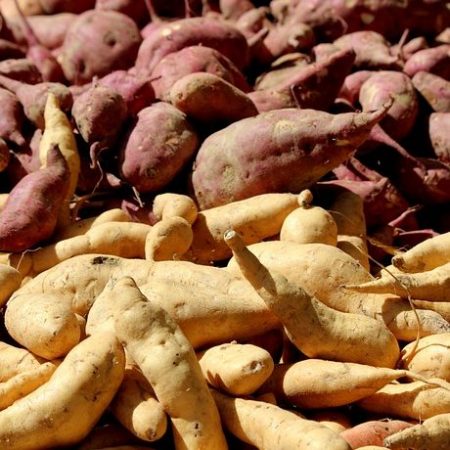
Sweet potatoes are tropical plants that grow best when it’s hot. The plants are sensitive to shade which leads to low yield. However, for maximum root filling to occur, the temperature should be between 25-32°C. Higher temperatures slow photosynthesis leading to vegetative growth (lots of kalembula) and not for tuber filling. Preparing to plant Sweet … Read more
Growing bananas – An Overview

Banana plantations can last a long time. However, if you want good harvests, you must dig up the plantation after 7 to 10 years. Some commercial farmers dig up after 4 years. You’ll also have to practice crop rotation and plant legumes such as beans for 2 years before you plant on the land again.
How to grow black pepper
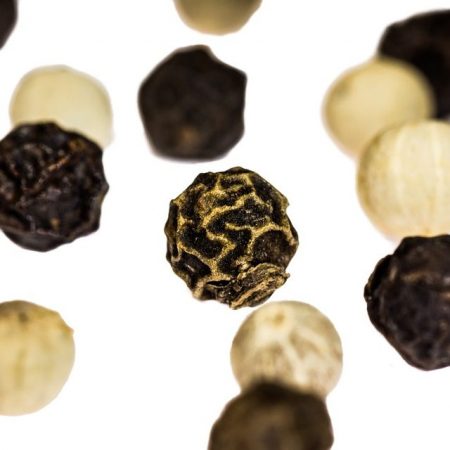
Black pepper also called “Black Gold” is one of the most expensive and popular essential spices. It is the cooked and dried unripe fruit of the Piper Nigrum plant. White pepper on the other hand, is the ripe fruit seeds.
If you don’t know the potential of cassava as a cash crop, then you need this…
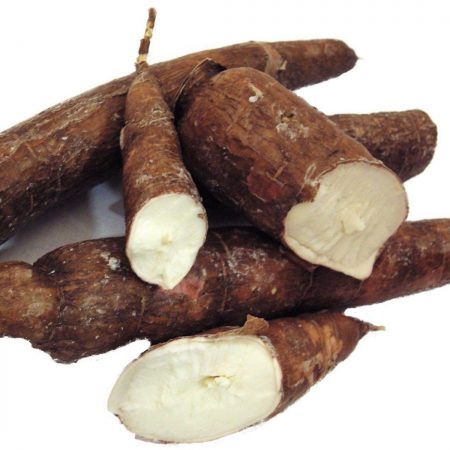
CMT’s 3rd Cassava World Africa summit presents cassava market business prospects across Zambia, Mozambique, Uganda, Nigeria and Tanzania. On 10-11 October 2017, at the Radisson Blu Hotel Lusaka, they take stock of Africa’s cassava commercialisation success stories – across food and non-food applications and challenges hindering the region from a complete ‘transformation’ despite producing large volumes of cassava!
Watch out for these onion diseases
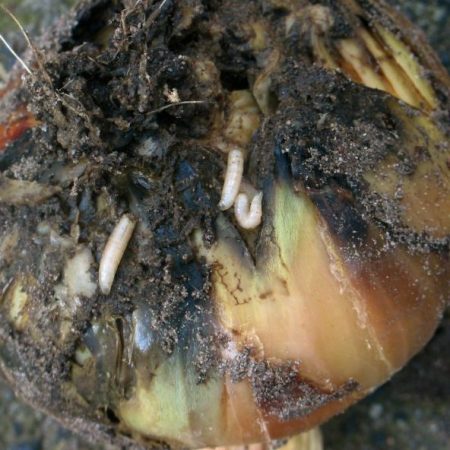
There are a number of diseases and disorders that affect onions and related crops. Most of these are either fungal or bacterial whereas others are caused by air pollutants, adverse weather, nutritional imbalances, soil conditions and pest control products.
Tips for correctly fertilising onions

If you think growing onions is easy and straightforward, you will end up with a failed crop. Fertilising onions or any vegetables for that matter, is not like baking a cake, where you can get a consistent result. You have to deal with different soils and also take into account the fertility of that soil.