

Water is not only essential for the production of crops, fisheries and livestock, but also for the processing and preparation of these foods and products. Water is the lifeblood of ecosystems, including forests, lakes, and wetlands, on which the food and nutritional security of present and future generations depends. From soil to seed, to growth to harvesting, water is the key to Africa’s ability to harness and develop the continent’s food production potential.
Growing Cabbage: A Guideline
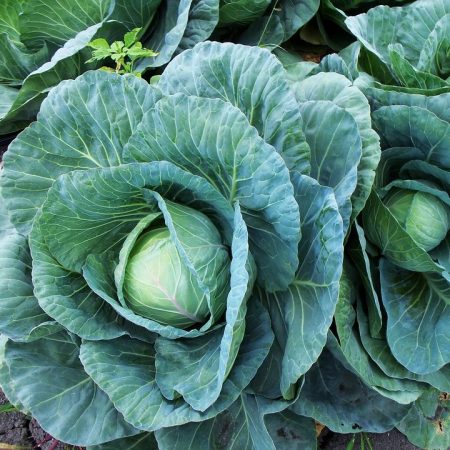
When you grow your cabbage successfully, you’re guaranteed bumper harvests. What’s more is the fact that you can plant cabbages throughout the year. All you need is enough land to rotate your crops as well as disease and pest control and you can enjoy non-stop harvests.
Smart Data Yields Big Harvests to Feed the World

The global population is careening toward 11 billion by 2100, up 52.7% from the 7.2 billion recorded in 2014. Looking at a more immediate date and in our lifetime, 2050, the projected population climbs to 9.1 billion.
Is current agriculture production equipped to feed these masses, especially those in poorer, undeveloped regions? Can farmers keep up with the 80 million people that are added on average each year, and address the needs in sub-Sahara Africa, which is expected to have the highest growth?
How To Prune Herbs

If you want your herbs to grow into their most luscious, abundant self, then you need to know how to prune them. Pruning herbs or cutting off leaves and parts of stems helps them grow well. Left unpruned, your plant will grow and blossom but also starts to die. Regular pruning also alerts you to disease and insect problems that may start small and you could possibly remove before they affect the entire herb.
Growing Lettuce: An Overview

Most lettuce varieties are quick and easy to grow and produce a harvest within a month or two. Lettuce does NOT like hot weather. Therefore, you can only grow it during the cooler months from May to July. Although it grows faster in full sun, it is one of the few vegetables that tolerates some shade. What’s more, you can grow lots of lettuce in a small space. You can even grow it with other taller plants like tomatoes.
Sweet Potatoes: From Planting To Harvesting
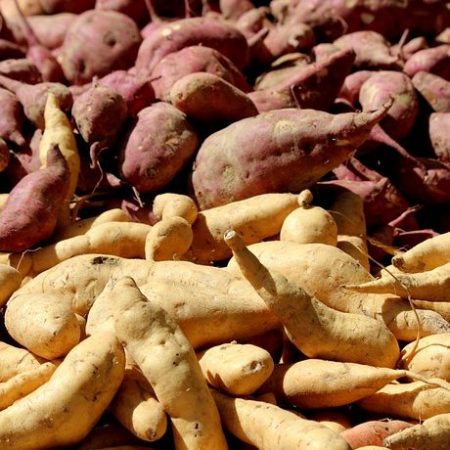
Sweet potatoes are tropical plants that grow best when it’s hot. The plants are sensitive to shade which leads to low yield. However, for maximum root filling to occur, the temperature should be between 25-32°C. Higher temperatures slow photosynthesis leading to vegetative growth (lots of kalembula) and not for tuber filling. Preparing to plant Sweet … Read more
Value-Added Potato Products

Potato starch and potato flour are two value added potato products that bring in valuable returns to food processors. And, a smart farmer trying to diversify knows that the global consumption of potato as food is shifting from fresh potatoes to added-value, processed food products.
Growing bananas – An Overview

Banana plantations can last a long time. However, if you want good harvests, you must dig up the plantation after 7 to 10 years. Some commercial farmers dig up after 4 years. You’ll also have to practice crop rotation and plant legumes such as beans for 2 years before you plant on the land again.
What To Feed Your Cattle

For dairy and beef cattle, there isn’t a single formula that provides an ideal diet. While there are guidelines for nutrition you should follow, the feedstuffs you choose will depend on your farm and what is available.
How to grow black pepper
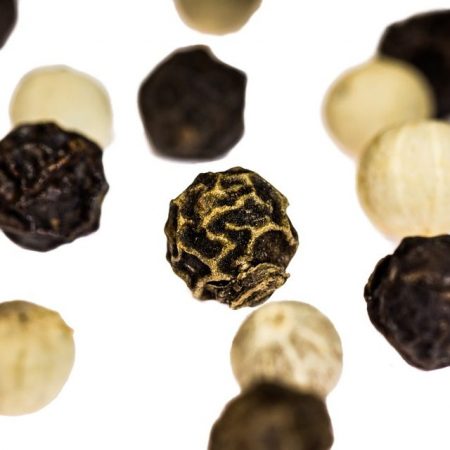
Black pepper also called “Black Gold” is one of the most expensive and popular essential spices. It is the cooked and dried unripe fruit of the Piper Nigrum plant. White pepper on the other hand, is the ripe fruit seeds.