
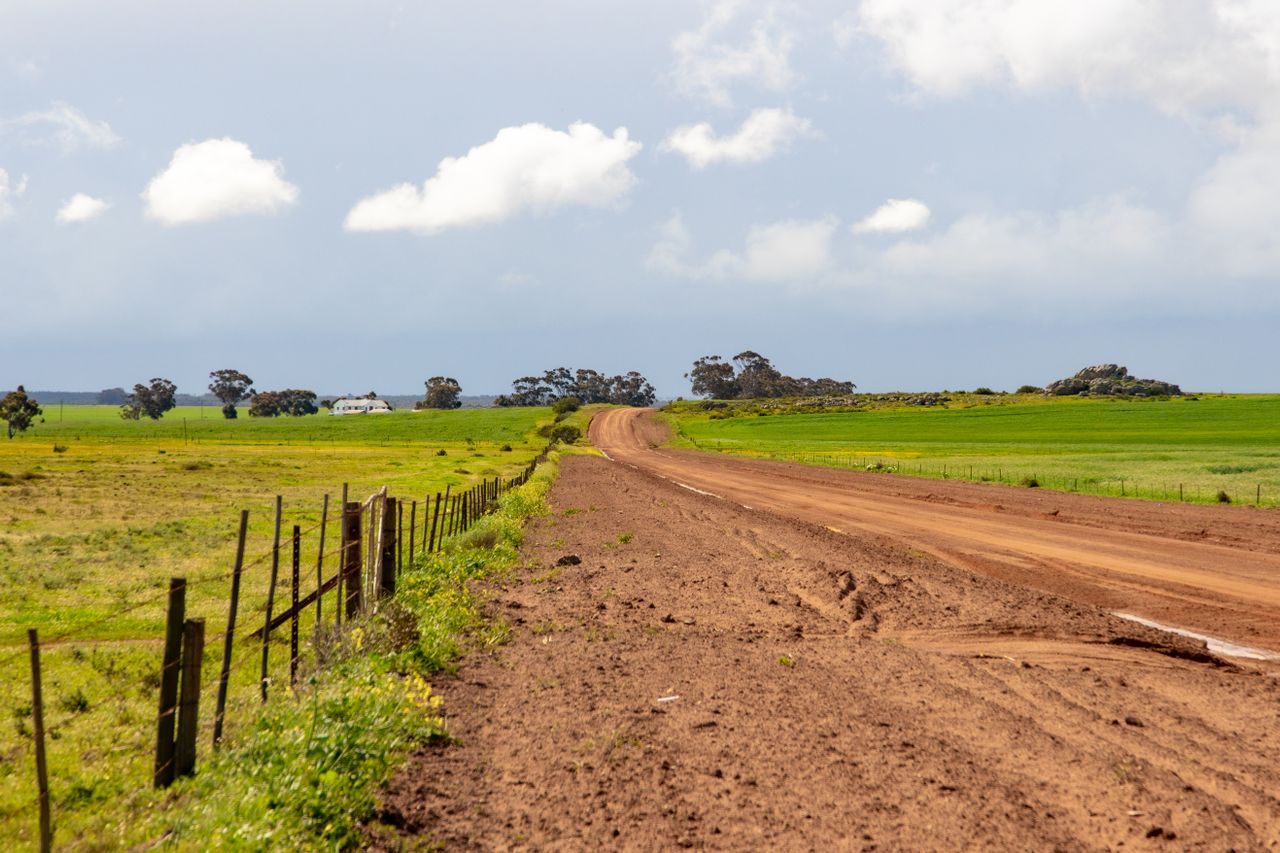
In October 2024, Zambia and the United States signed what looked like a landmark commitment to the country’s farming sector. The $491 million Farm-to-Market Compact was structured around four specific investment pillars: rural road rehabilitation in agricultural corridors, access to finance for irrigation, electricity, storage, and processing equipment, agricultural policy reform, and a facility to catalyse private investment in agriculture value chains. The language was unambiguous. This was money designed around farmers.
Eighteen months later, the terms have changed.
On June 18, 2026, Zambia and the Millennium Challenge Corporation (MCC) signed an amendment realigning a portion of that funding toward road infrastructure supporting the Lobito Corridor in North-Western and Copperbelt Provinces. The corridor’s primary purpose is moving copper and cobalt to Angola’s Atlantic port. The government frames it as a dual win.
For farmers in those provinces, one important question is a hard not to ask: when a grant designed for agriculture gets redirected toward a minerals corridor, who actually benefits?
What the Original Compact Promised
The original compact was precise about what it was trying to fix. The Roads and Access Project specifically targeted decreasing transportation costs in prioritised agricultural corridors, with an Improving Access component designed to create and improve connections to markets and agricultural activities for rural populations within those corridors. The emphasis on agricultural corridors was deliberate. MCC’s own diagnostic identified poor roads in farming zones as the binding constraint on agricultural growth.
The Asset Finance Project was designed to increase investment in electricity, irrigation, logistics, and processing equipment, including grain and produce storage facilities, specifically for agriculture and agro-processing. These are farm-level investments. Things that change what a smallholder farmer can do with their harvest. This is the baseline against which the amendment needs to be judged.
You might also like: Why Monetary Policy Rarely, Directly Helps Smallholders
What the Amendment Actually Changes
Under the revised Roads and Access Project, priority road segments identified for rehabilitation have been realigned with the Lobito Corridor in North-Western and Copperbelt Provinces. The critical word here is “realigned.” Roads originally selected based on agricultural corridor analysis have been repositioned to align with a minerals export route.
Although North-Western Province has significant agricultural potential and growing commercial production of soybeans and maize, Zambia’s highest concentrations of maize and soybean production remain in Eastern, Central, and Southern Provinces. The amendment appears to shift a greater share of road investment toward North-Western and Copperbelt, raising questions about how much funding remains for the agricultural corridors originally identified elsewhere.
The amendment suggests that corridor alignment now places greater weight on mineral transport alongside agricultural access. That is not inherently wrong. Shared infrastructure can serve multiple users. But it is a meaningful departure from the compact’s original framing, and one that deserves scrutiny.
A Pattern Worth Recognising
Zambian farmers have seen this before. The country’s large-scale commercial farms are mainly located along the Line of Rail, a pattern dating back to colonial days when infrastructure was built to serve mining interests, with settlers given fertile land along the rail while Africans were resettled in less fertile areas. The communities best connected to markets today are largely those whose connectivity was built around mining, not farming.
The Lobito Corridor carries a similar risk. Whether that happens will depend on whether feeder roads into farming communities receive the same priority as the main transport corridors, or whether agricultural access becomes a secondary benefit on infrastructure designed primarily for mineral haulage.
The Questions That Need Answers
The amendment is short on the specifics that matter most to farmers.
- Which exact road segments are being rehabilitated?
- Are feeder roads into farming communities included, or only trunk roads between mining hubs and corridor connections?
- What share of the total compact budget remains allocated to the original agricultural corridor investments in other provinces?
- Has the Asset Finance Project covering irrigation, storage, and processing been reduced to fund the road realignment, or does it remain intact?
Officials have stated that compact investments will include access to finance for electricity, irrigation, logistics, and processing equipment for agri-SMEs across agriculture value chains. But whether this commitment survives the amendment at the same funding level has not been publicly clarified.
Until those specifics are published, farmers in Eastern, Central, and Southern Provinces have reason to ask whether the compact still serves them, or whether the agricultural framing has been retained while the underlying investment logic has shifted.
The $491 million is still significant. The question is not whether it will build something useful. It will. The question is whether what gets built reflects the agricultural priorities that justified the grant in the first place, or whether those priorities have quietly given way to interests that moved faster and carried more geopolitical weight.
AIZ produces data-driven agricultural and infrastructure impact briefs that translate policy and funding shifts into clear, region-specific implications for farmers, agribusinesses, and investors. Explore our services for structured analysis and advisory support.