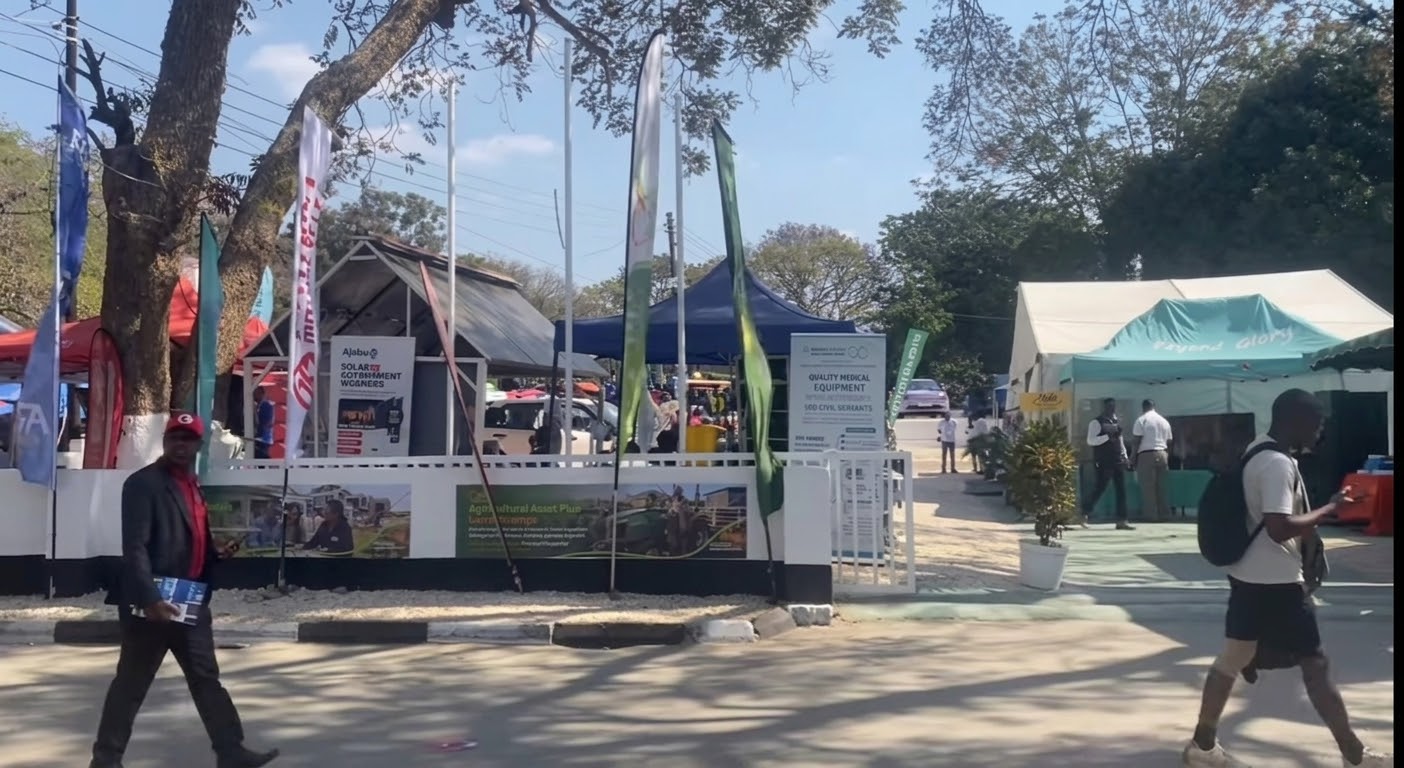
The dust has settled at the Lusaka Showgrounds following the 98th Agricultural and Commercial Show, held under the theme “Fostering Trade and Investment.” The theme wasn’t just a slogan but a reflection of the challenges and opportunities farmers are likely to face in the coming years.
For most casual visitors, the show is often seen as a place to admire tractors, livestock and the latest farm equipment. But if you look beyond the displays, the show also tells us where agriculture in Zambia is heading.
Here are the biggest lessons from the 2026 show.
1. Farming Is No Longer Just About Producing More
For many years, success in farming was measured by one thing: how much you harvested. That is changing. Today, buyers, banks and investors are asking different questions.
- Can you produce consistently?
- Is your produce good enough for premium markets?
- Can you manage climate risks?
- Is your farm profitable, not just productive?
The farmers who answer “yes” to these questions will have more opportunities than those who simply produce the biggest harvest.
2. Water and Energy Are Becoming Just as Important as Land
Many of the technologies on display focused on irrigation, solar power and efficient water use. That is no coincidence. Recent droughts have reminded farmers that rainfall can no longer be taken for granted. At the same time, rising fuel and electricity costs are increasing the cost of production.The message from this year’s show was clear: investing in reliable water and affordable energy is becoming one of the smartest long-term decisions a farmer can make.
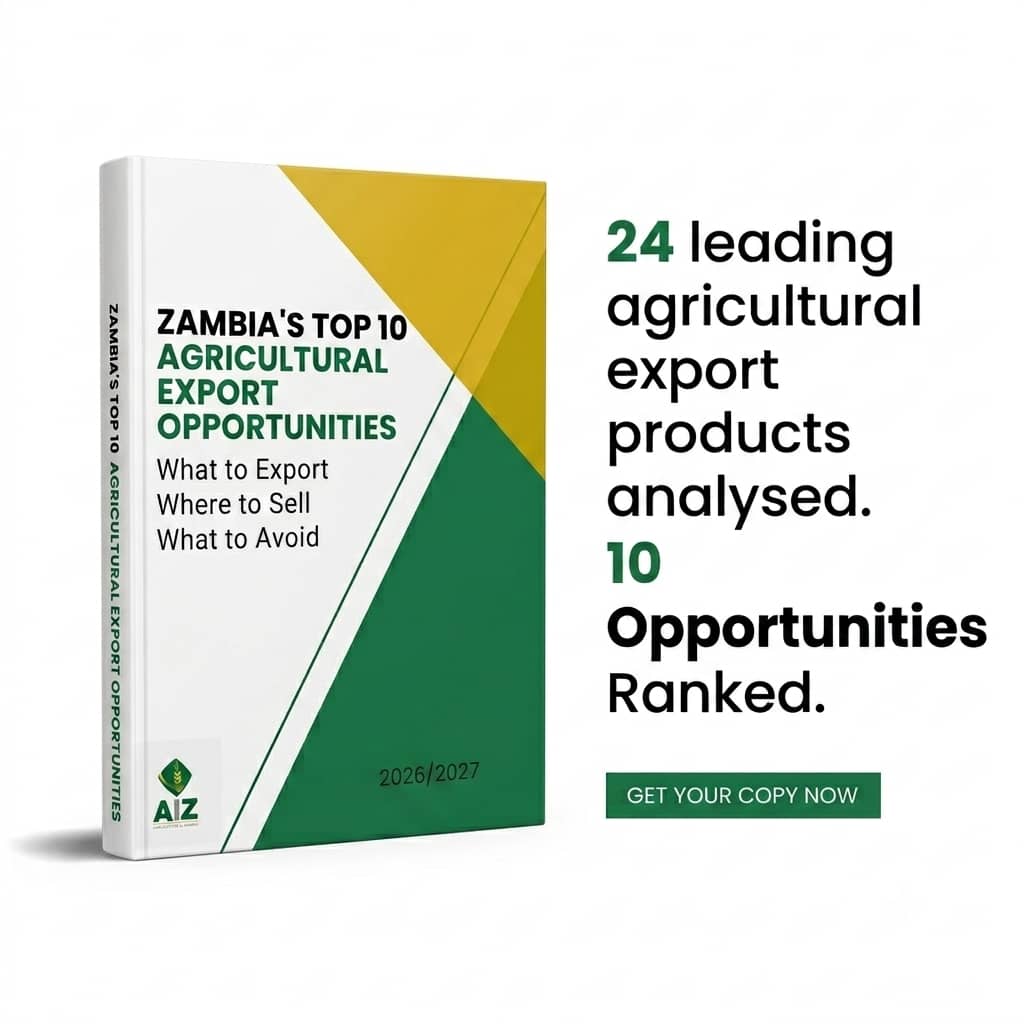
3. Export Markets Pay Better, But They Expect More
There is growing interest in exporting agricultural products from Zambia, both within the region and beyond. However, exporting is about much more than producing enough. Buyers increasingly expect:
- Clean, well-graded produce.
- Correct moisture levels.
- Consistent quality.
- Reliable supply.
Farmers who understand these requirements will be better placed to access higher-value markets than those who rely only on local spot markets.
4. Diversification Is Becoming a Business Strategy
Maize will remain Zambia’s most important food crop, but many successful farmers are no longer relying on one enterprise. Oilseeds, legumes, horticultural crops and livestock are becoming important sources of income.
Diversification helps reduce risk. When prices fall for one enterprise or weather affects one crop, another part of the business can continue generating income.The show highlighted this trend across many exhibitors, from seed companies to equipment suppliers.
5. Banks Want to Finance Good Businesses, Not Just Good Farms
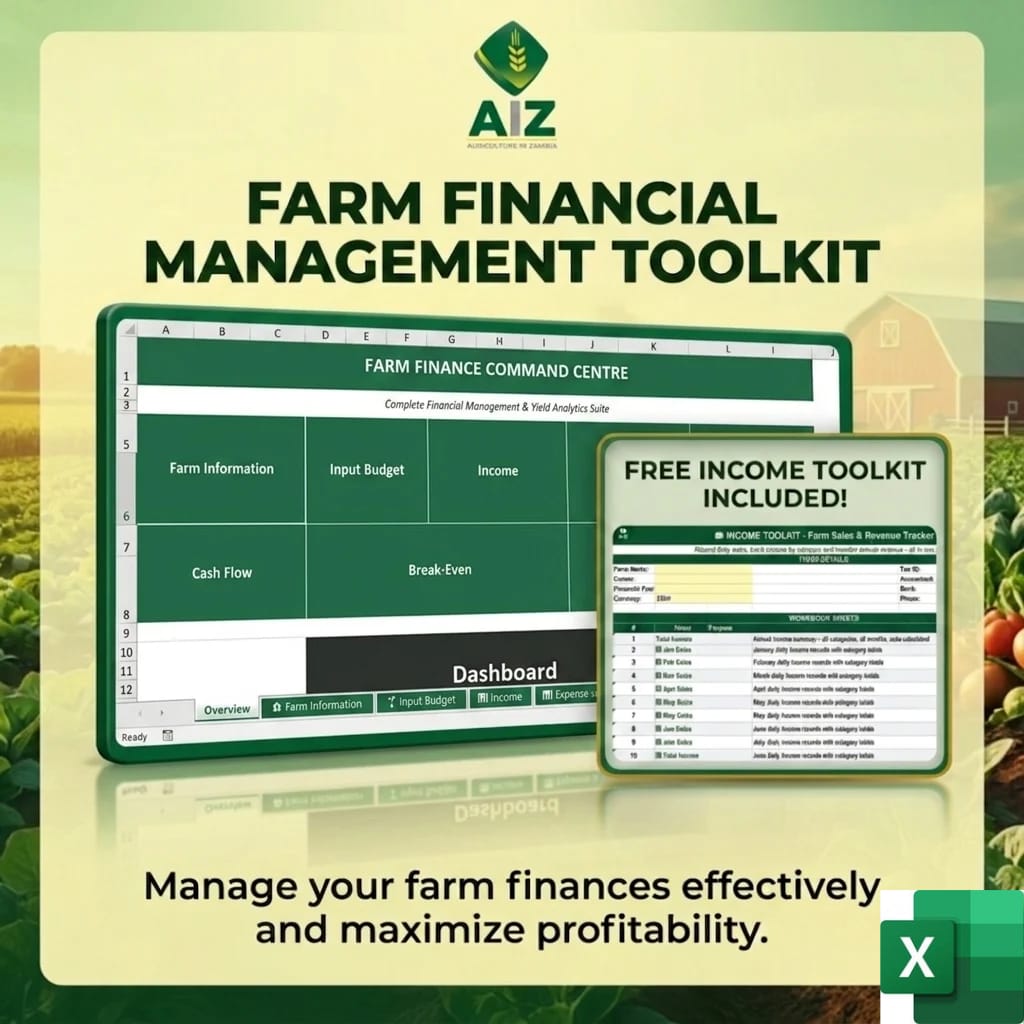
Access to finance was another strong message. Lenders are increasingly interested in how a farm is managed, not simply what assets it owns. Keeping proper financial records, knowing production costs and having reliable markets for your produce can improve your chances of obtaining finance.
In other words, good management is becoming just as valuable as owning land.
So What Should Farmers Do?
The show offered plenty of new products, but the biggest lessons were not about buying more equipment.
They were about building stronger farm businesses. That means:
- Investing in irrigation where possible.- Managing water and energy more efficiently.
- Keeping accurate production and financial records.
- Looking beyond local markets.- Producing crops that meet commercial quality standards.
- Diversifying income instead of depending on a single crop.
Conclusion
The 2026 Zambia Agricultural and Commercial Show made it clear that the future belongs to agribusinesses, not just crop growers.
The farmers who succeed over the next decade are unlikely to be those with the biggest farms. They will be the ones who make informed business decisions, manage risk, adopt useful technology and consistently produce what the market wants.
The future of farming in Zambia is not simply about growing more. It is about farming smarter.