
Zambia’s new Grow Zambia Agenda sets out eight measurable targets for the next five years: 10 million tonnes of maize, 10,000 MW of electricity, 5 million tourists, 3 million tonnes of copper, 3 million tonnes of soyabeans, 1 million tonnes of wheat, 1 million tonnes of sugar and US$1 billion in annual beef export revenue.
For farmers, some of those numbers may seem distant from the reality of running a small farm. But, they are also useful signals.
A target of 3 million tonnes of soyabeans means greater production, aggregation, storage, processing and marketing activity around the crop. A US$1 billion beef-export target means demand for cattle that can enter formal markets. A 1-million-tonne wheat target brings questions about irrigation, inputs, mechanisation, milling and market access.
The opportunity for a farmer lies in understanding these value chains and identifying where a farm can participate profitably.
Start with the market
A farmer considering a new crop or livestock enterprise needs more information than a national production target. Before committing land and money, look at the five things that can become increasingly important as production expands:
Who will buy, at what price, quality or specifications, cost to produce/deliver, and expected revenue.
If many farmers respond to rising demand by producing the same commodity, the market could eventually have much more supply. Processing capacity, exports and domestic consumption therefore matter alongside farm production.
For a farmer, following the entire value chain can reveal opportunities that are easy to miss when looking only at the crop itself.
Soya: look at what happens after harvest
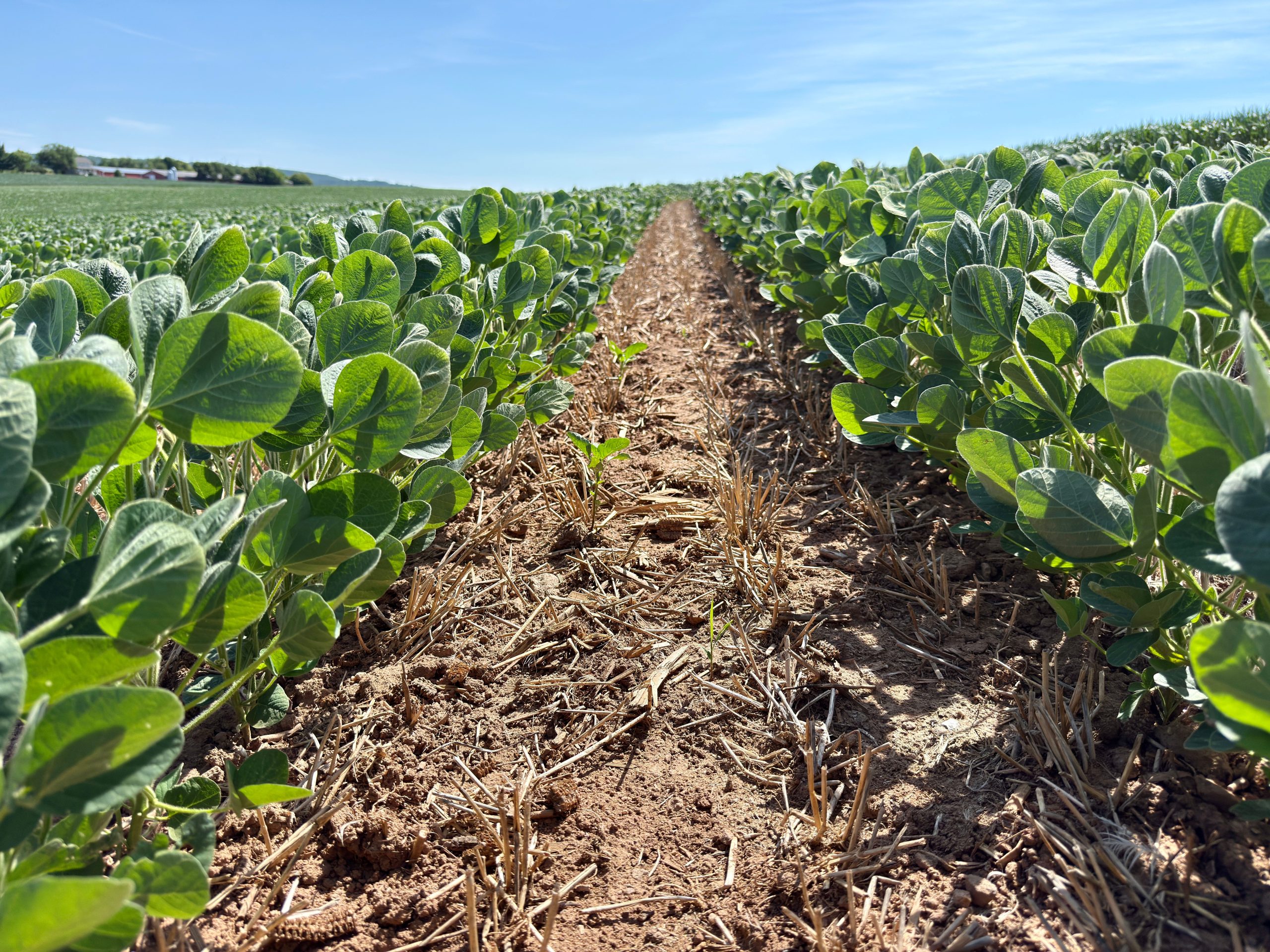
Zambia is targeting 3 million tonnes of soybeans. For a farmer, the useful part of that target is the potential growth in the market around soybeans. Government has identified agro-processing and agricultural production among the areas expected to contribute to economic expansion.
More soybeans can mean more demand from feed manufacturers, oil processors, poultry producers, livestock farmers and other businesses. If you are considering soybeans, start by finding out who buys in your area, you need to ask:
- Who buys soybeans near my farm?
- What price are they currently offering?
- How much do they buy?
- What quality do they require?
- When do they buy?
- How far will I have to transport my crop?
- Are there processors or aggregators I could sell to directly?
- What yield can I realistically achieve on my land?
- After all my costs, how much would I actually make per hectare?
That last question is particularly important.A higher soybean price does not automatically mean a more profitable crop. Your yield, input costs and transport costs all affect what remains in your pocket.
If soybean demand expands over the next few years, farmers who already understand their local buyers and production costs will be in a better position to decide whether expanding soybean production makes financial sense.
Beef market opportunity is in the value chain
The Grow Zambia target of US$1 billion in beef export revenue creates a different set of opportunities for livestock farmers. Export-oriented markets require systems that can consistently supply animals meeting the requirements of buyers and processors.
For a farmer, relevant areas include animal health, nutrition, weight gain, breeding, record keeping and access to formal markets.
This creates opportunities at several levels.
A farmer may improve the quality and market weight of existing cattle. Another may participate in aggregation with other producers. Others may find opportunities supplying feed, veterinary services, transport or other inputs to expanding livestock enterprises.
The important information to obtain before investing is what buyers actually require.
A farmer selling cattle into an informal local market may face very different requirements from one supplying a formal abattoir or export-oriented processor.
The same principle applies to goats, sheep and other livestock.
Wheat: investigate the conditions before entering
Zambia’s target of 1 million tonnes of wheat raises particularly important questions for farmers because wheat production is closely linked to water, production costs and infrastructure.
For a farmer considering wheat, the calculation needs to include:
Expected yield × expected price − total production and marketing costs = expected gross margin
Irrigation can be a major part of the calculation.
So can land preparation, seed, fertiliser, chemicals, machinery, harvesting and transport.
A farmer also needs to know where the crop will be sold.
This is particularly important for farmers considering irrigated production because the same land and water resources could potentially support several different enterprises.
The national target provides information about where production is expected to expand. Farm-level economics determine whether that expansion makes sense on a particular farm.
Sugar: opportunities extend beyond growing cane
The 1-million-tonne sugar target also points towards opportunities beyond primary production.
Large-scale sugar production requires land, water, processing infrastructure, transport and a reliable supply of cane.
This creates a potential role for farmers who can participate in organised supply arrangements where such opportunities exist.
For smaller producers, the wider lesson is important: follow the processor.
When a processing industry expands, look at what raw materials it needs and where those materials will come from.
That can reveal opportunities in production, aggregation, transport, input supply and other services around the main industry.
Agro-processing could change the market for farmers
One of the more interesting implications of the growth agenda is the emphasis on expanding economic activity rather than simply producing agricultural commodities.
For farmers, local processing can create additional buyers.
A soybean farmer can potentially sell into an oil or feed-processing chain.
A livestock farmer can supply a formal meat-processing chain.
Other crop producers may find opportunities through food processors, feed manufacturers or other agricultural businesses.
This is where location can become an important competitive advantage.
A farm close to a processor may have different economics from a farm producing the same crop hundreds of kilometres away.
Transport can consume a significant portion of the value of a bulk agricultural commodity. A slightly lower farmgate price from a nearby reliable buyer can sometimes produce a better net return than a higher price from a distant buyer once transport and other costs are included.
Farmers should therefore track new processing facilities, aggregation centres, storage projects and major buyers operating in their areas.
The farmer should follow the money
National production targets eventually translate into decisions at farm level.
More soybeans require more seed, inoculants, fertiliser, machinery, storage and transport.
More cattle moving into formal markets require animal health services, feed, breeding, aggregation, transport and processing.
More wheat requires productive land, water, inputs, machinery, storage and buyers.
The farmer can use this information to watch the market around them.
A new processor may create a nearby market.
A new aggregator may reduce the difficulty of selling small volumes.
A new feed manufacturer may increase local demand for soybeans.
An organised livestock buyer may create a market for animals meeting specific weight and health requirements.
These developments can matter more to an individual farmer than the national target itself.
Calculate before expanding
There is one rule that should apply to every new opportunity:
Calculate the farm economics before committing the farm.
A farmer considering a new enterprise should know:
- expected yield or production
- expected selling price
- seed and input costs
- labour costs
- machinery costs
- financing costs
- transport costs
- storage costs
- expected losses
- likely time between investment and payment
The calculation should also include downside scenarios.
What happens if the yield is 20% lower than expected?
What happens if the selling price falls?
What happens if the buyer delays payment?
What happens if transport costs increase?
A crop that looks attractive using a high yield and high selling price can produce a very different result under ordinary farm conditions.
A farm operations management toolkit can help you manage your expansion efficiently. Get yours here
What should farmers watch over the next few years?
The Grow Zambia targets give farmers a useful list of markets to monitor.
Soybeans.
Wheat.
Sugar.
Beef.
But the real opportunities will become clearer as investment follows the targets.
Farmers should watch for new processors, buyers, aggregation systems, irrigation projects, storage facilities, feed manufacturers, livestock markets and export-oriented businesses.
Those developments provide information about where actual demand is forming.
For a farmer, that information can help answer a much more useful question than simply asking which crop is currently popular: