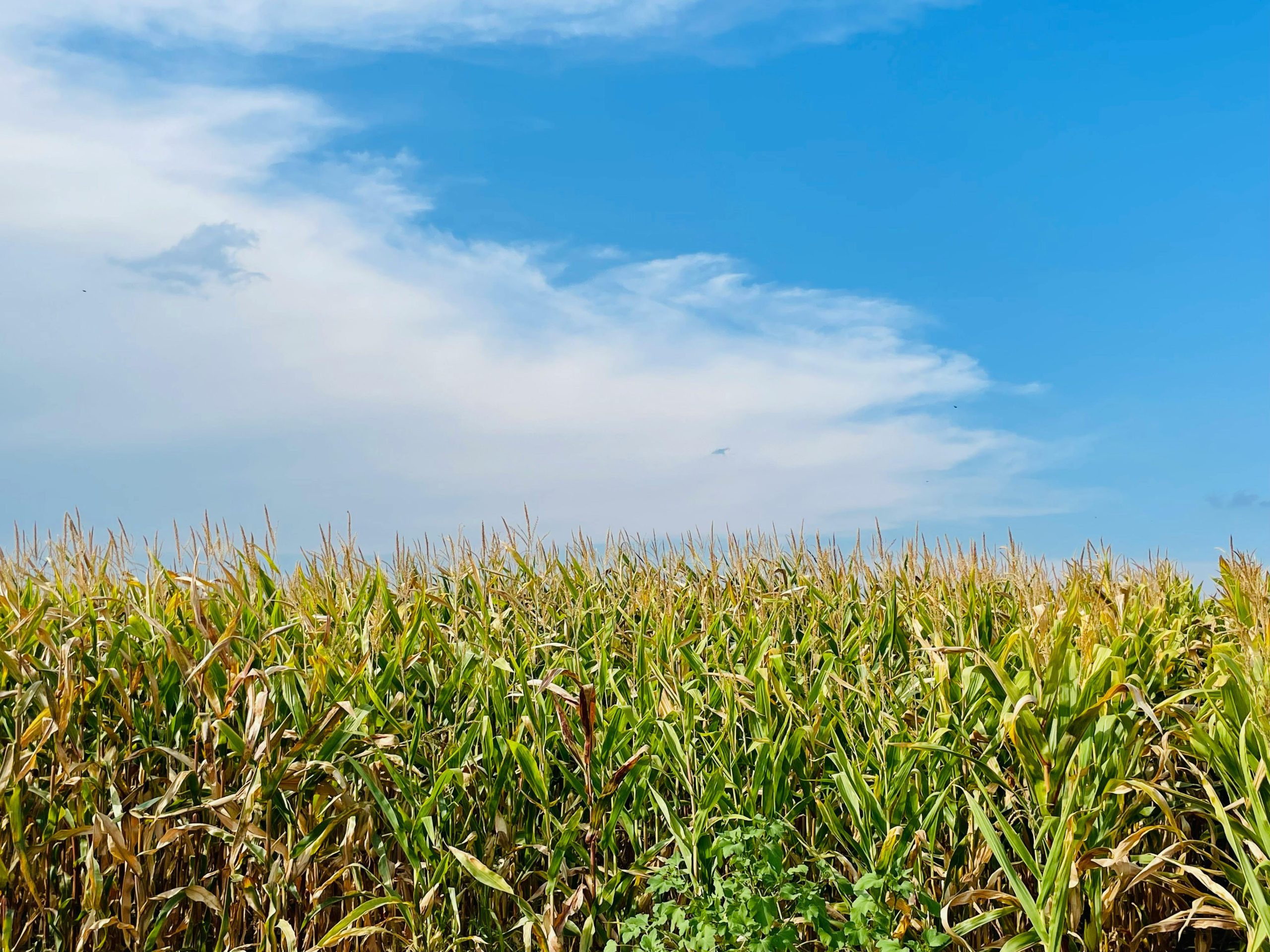
Climate experts are forecasting the possible return of El Niño conditions during the 2026/2027 agricultural season. For farmers in Southern Africa, including Zambia, this raises serious concerns. Early forecasts sometimes do not translate into exact seasonal outcomes, but they remain important indicators of elevated risk.
Blog
Why monetary policy rarely, directly helps smallholders
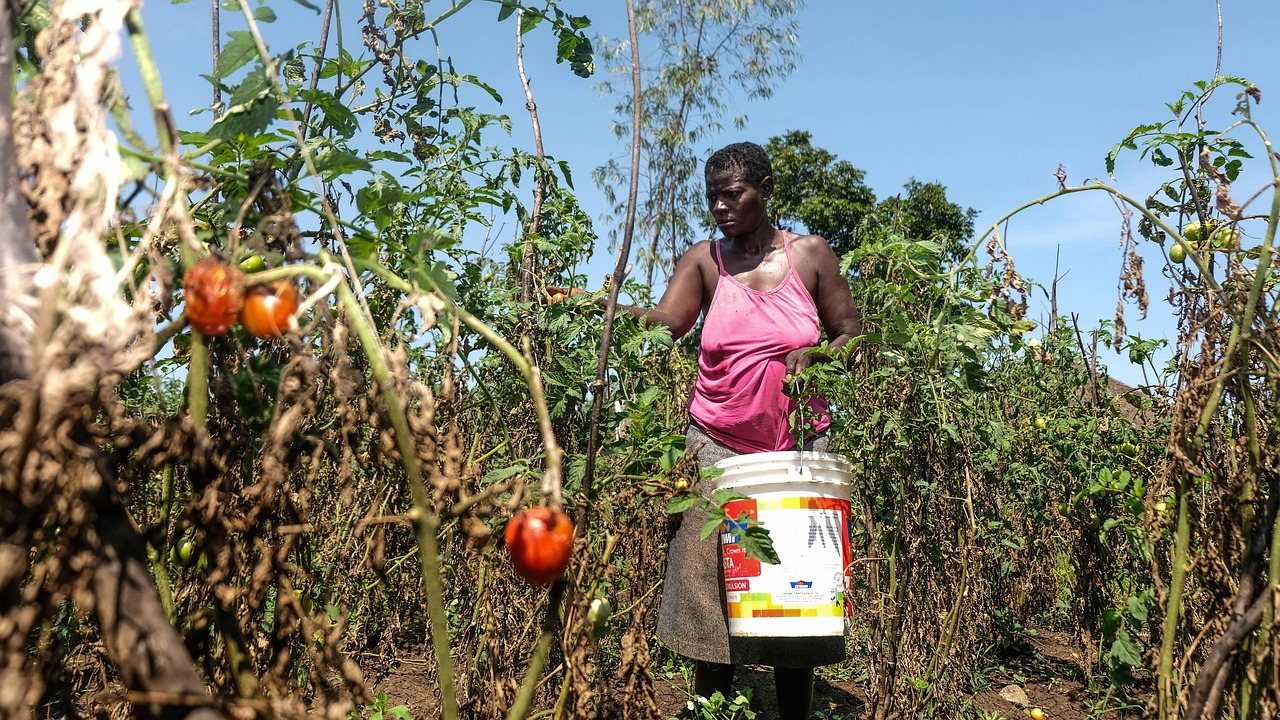
When the Bank of Zambia reduced its Monetary Policy Rate by 75 basis points, bringing it down from 14.25% to 13.5%, it signaled an interest rate cut. The message is usually positive. It comes with cheaper loans, more investment, and faster economic growth. On paper, this sounds like good news for everyone including farmers. In reality, smallholder farmers rarely feel the benefit.
Common Types of Poultry You Can Raise in Zambia
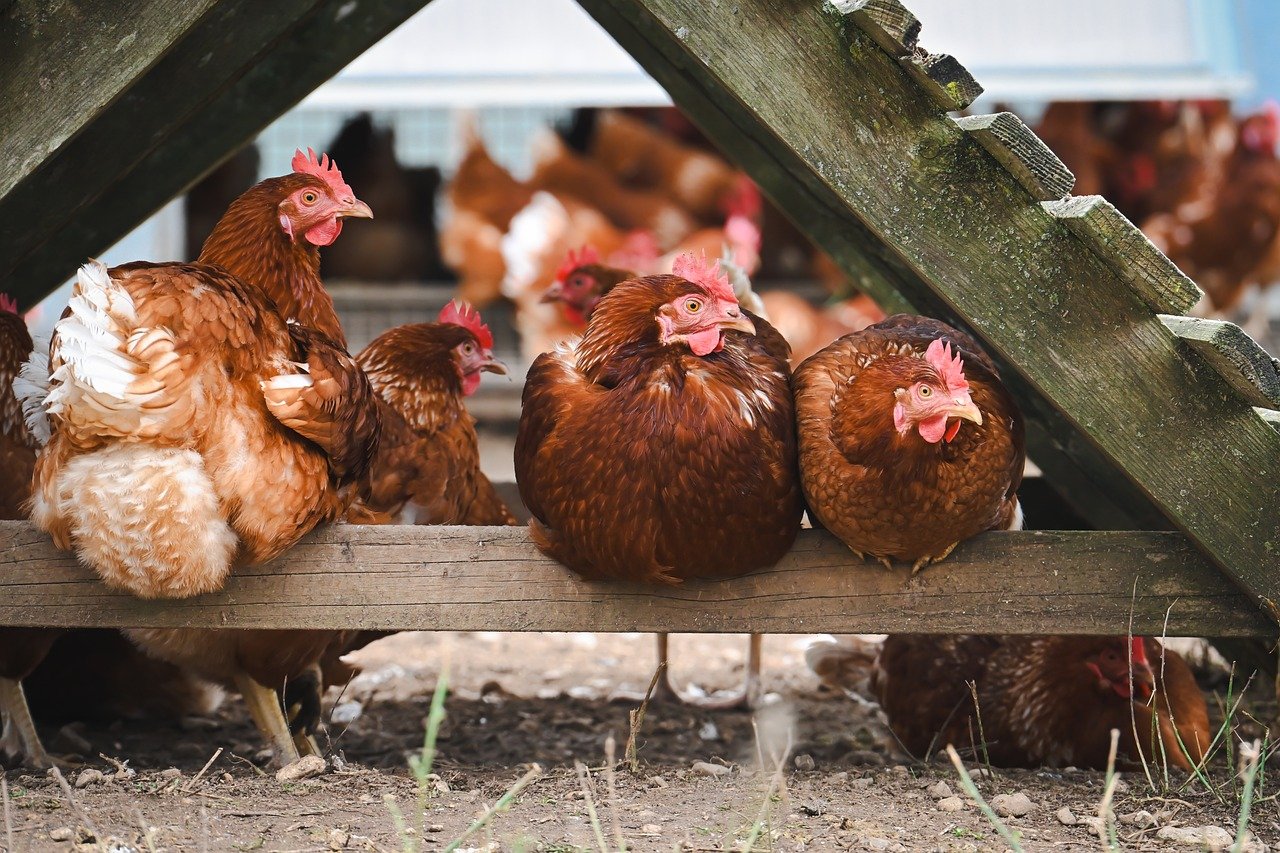
Are you planning to get in poultry farming this year but still unsure about which type to choose? Or maybe you have been raising one type and are thinking of adding another to your project? Poultry farming in Zambia is one of the easiest ways to start or expand a farming project, but choosing the right type of birds matters more than most people think.
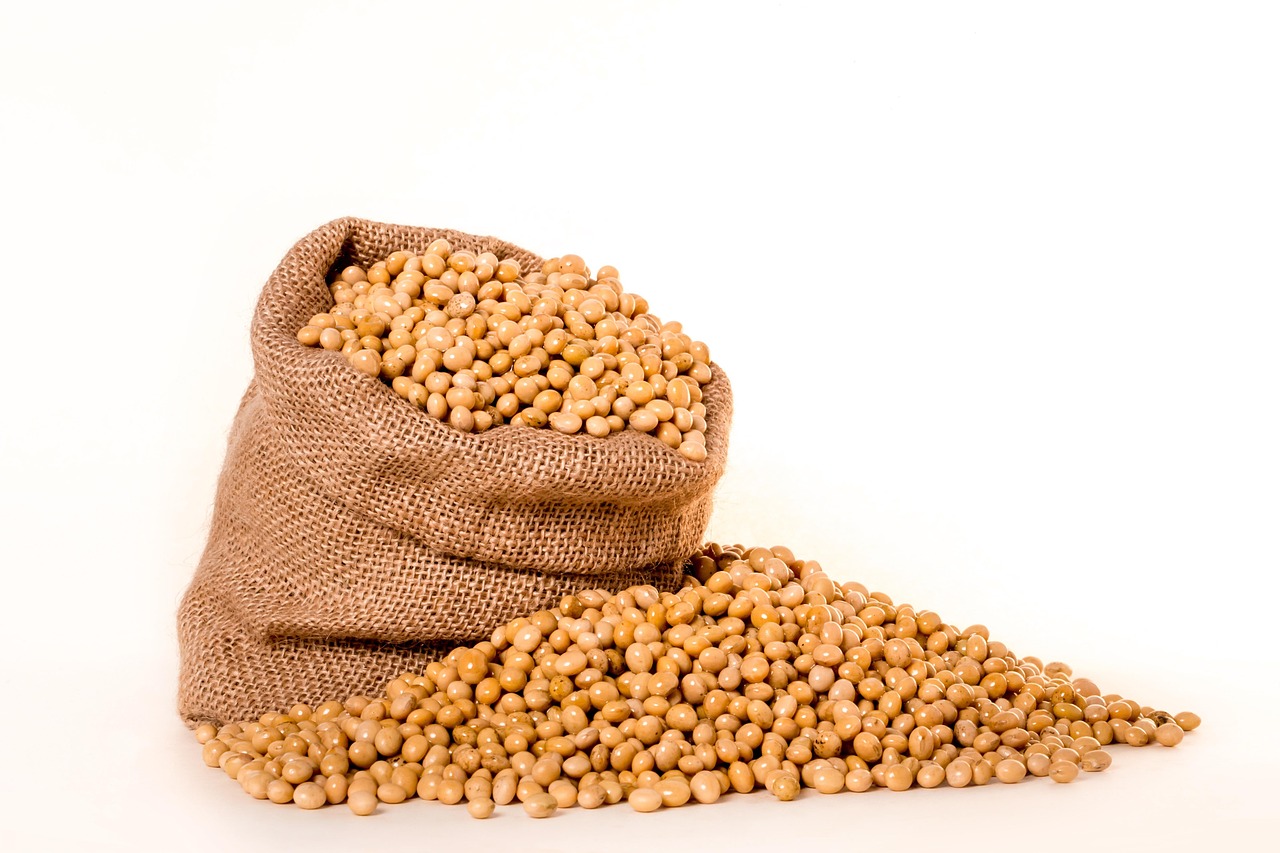
What You Actually Need to Farm 5 Hectares of Maize -Traditionally vs Commercially
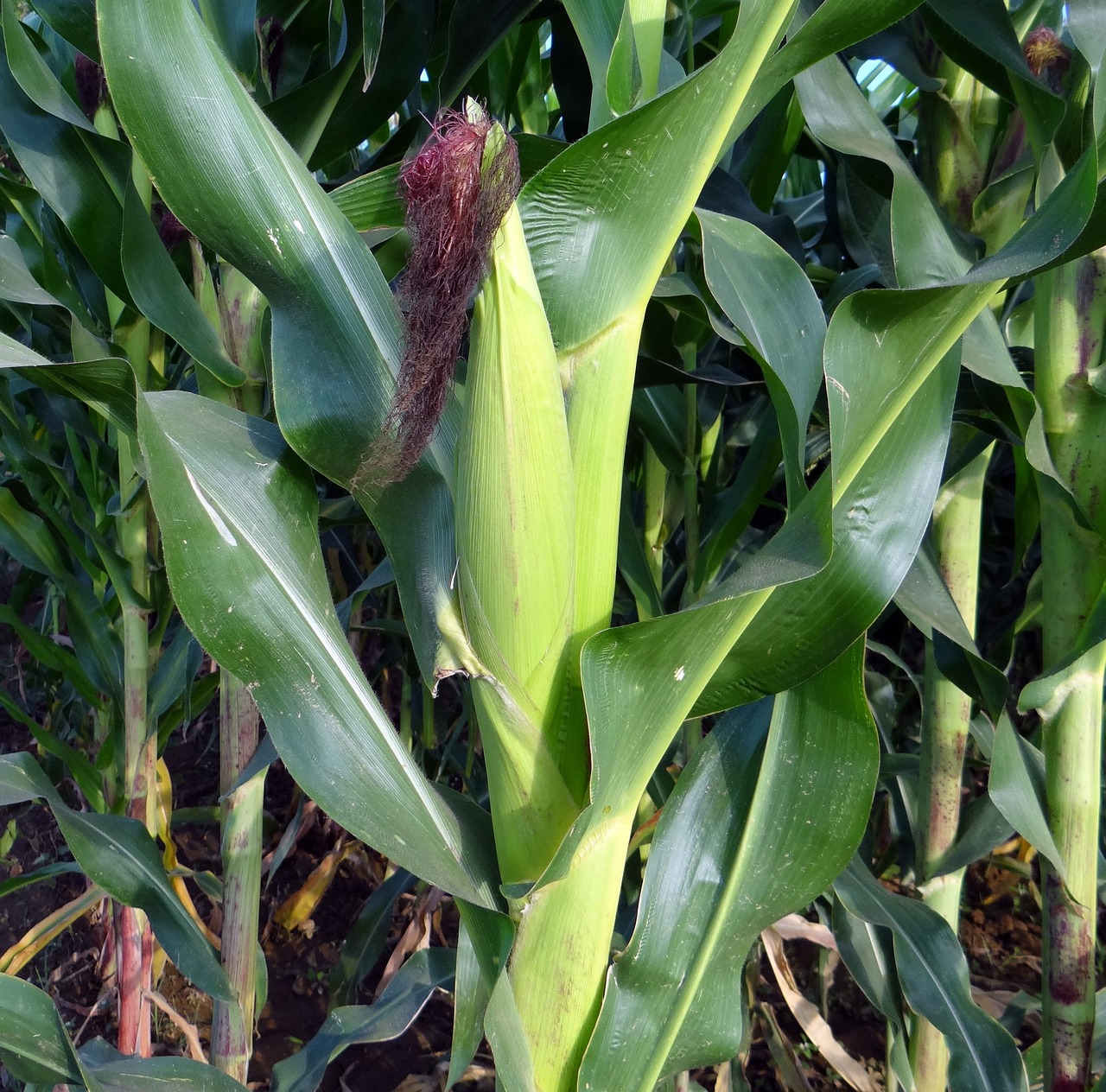
Maize is Zambia’s staple crop, but very few people understand what it truly takes to farm it at scale. Five hectares sounds small on paper, yet it sits at an awkward middle ground, too big for casual farming, too small for full mechanisation, and too expensive to treat lightly. This article breaks down the difference between how traditional farmers and commercial farmers farm 5 hectares of maize, and why the two approaches lead to completely different outcomes
Is Zambia’s $77 Million Maize Export Deal with Malawi a Smart Move or a Risky Gamble?

Zambia has signed a $77 million maize export deal with Malawi for 200,000 metric tonnes of grain. The agreement between Zambia’s Food Reserve Agency (FRA) and Malawi’s National Food Reserve Agency is being praised as a sign of strong regional cooperation. Is this the right move right now?
How ID Based Travel Between Botswana, Namibia and Zambia Could Transform Opportunities for Zambian Farmers
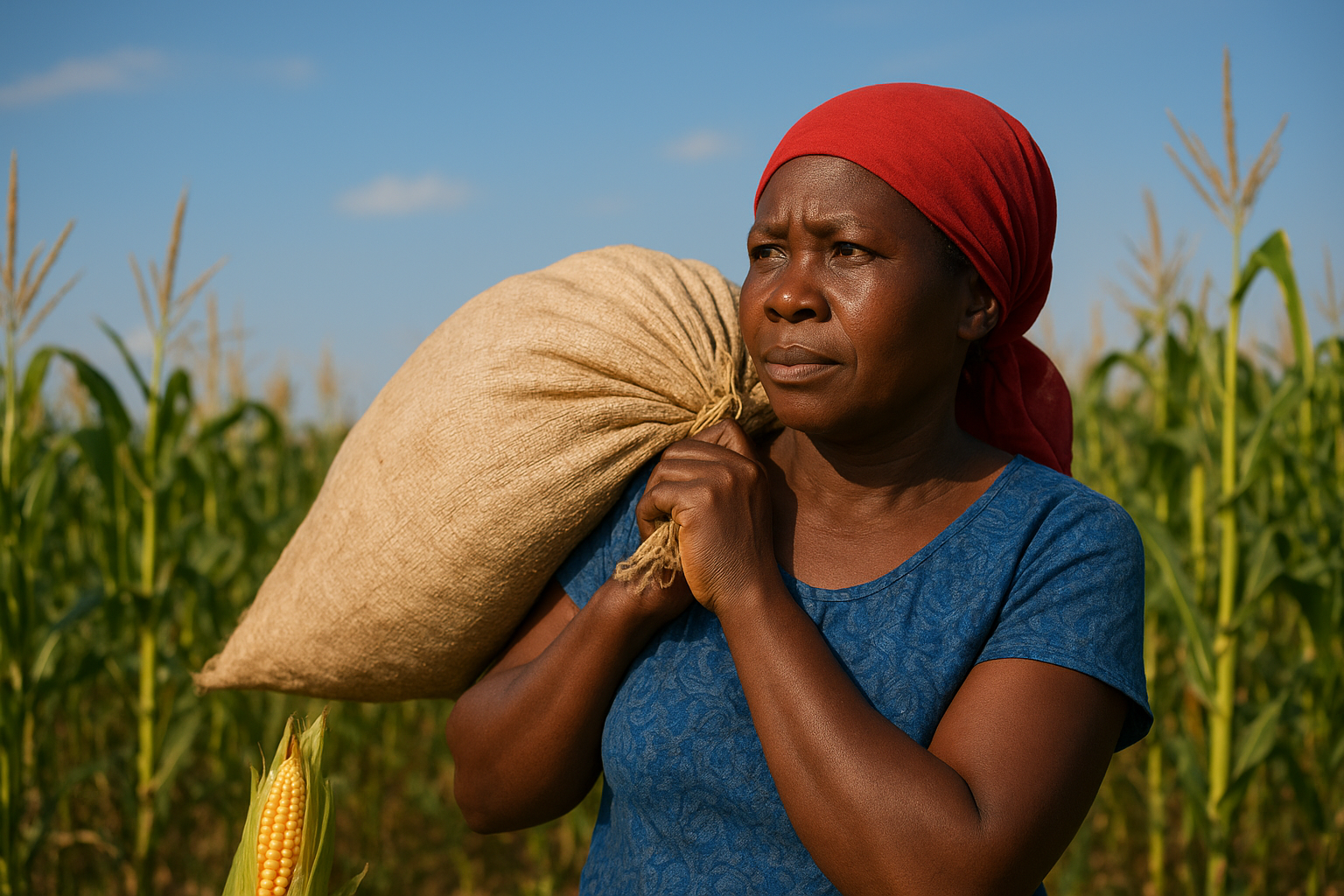
Imagine a maize farmer in Sesheke, in Zambia’s Western Province. Let’s call her Martha. She has a good harvest this year, bags of maize stored neatly, ready for sale. But there’s a problem: the local market is saturated, prices are low, and buyers are slow to pay. Just across the border in Namibia, however, traders are offering better prices. Martha dreams of taking her maize there, but passports and paperwork stand in the way. This is where ID based travel for Zambian farmers comes into play.
Are Zambian Farmers Getting Too Old?
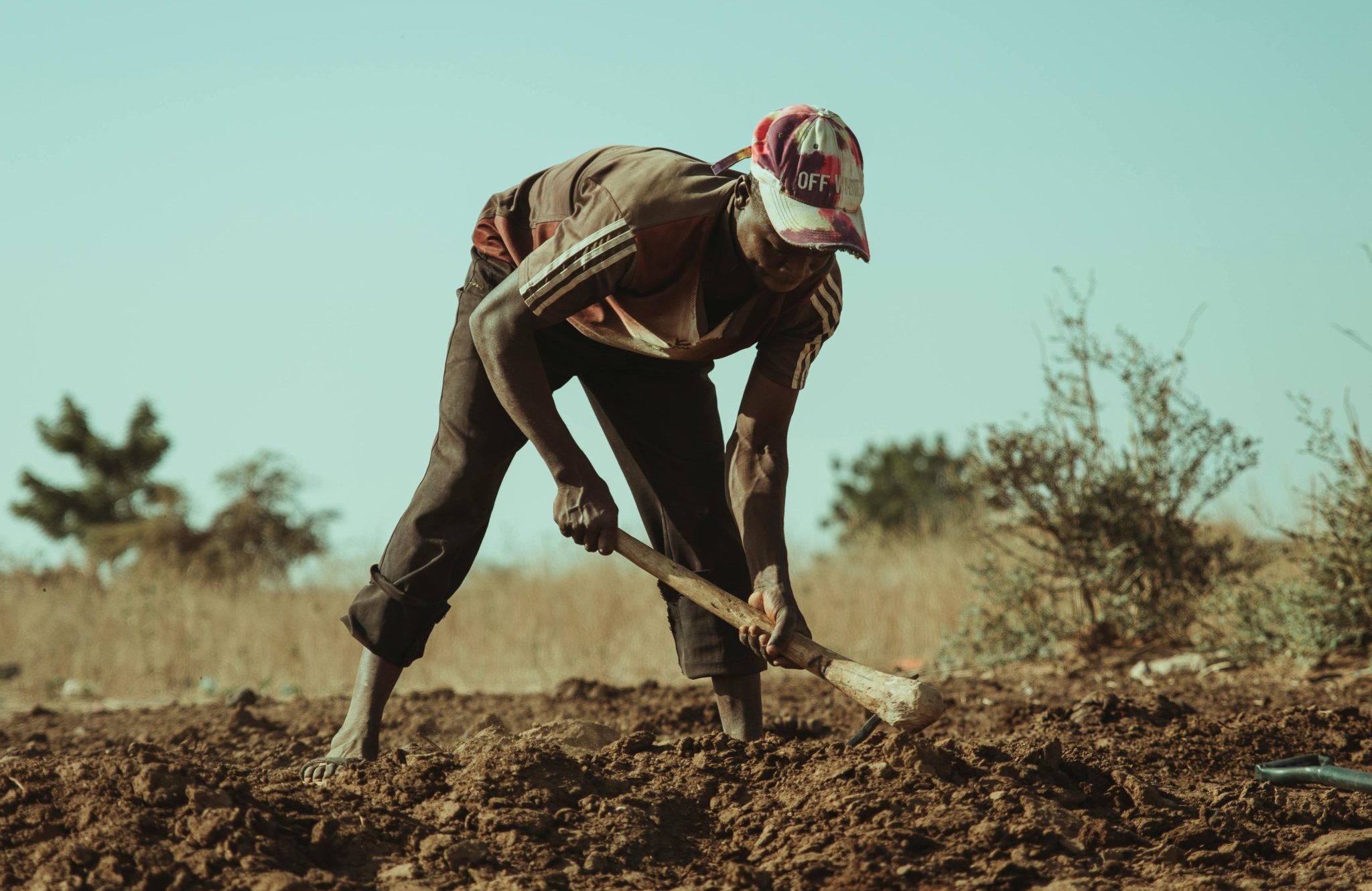
Under the relentless midday sun, 62-year-old Chomba bends over, weeding his maize field, his back protesting with each movement. He’s been farming this land since he was 18, but these days, the work feels heavier. His sons? They left for Lusaka years ago. “Farming is for old men,” they told him.
Chomba isn’t alone. Across Zambia, the faces in the fields are growing older, and fewer young people are stepping in to replace them.
Making Eco-Friendly Charcoal from Maize Cobs and Cow Dung

Charcoal is a great fuel to fire up your braii stand or mbaula, with a reliable burn and a low smoke output. However, every time you use charcoal or firewood for cooking, you are contributing heavily to deforestation and greenhouse gas emissions. As climate change becomes a more urgent concern, finding eco-friendly fuel alternatives is essential. One surprisingly effective solution lies in agricultural waste, especially maize cobs and cow dung which are abundant, renewable, and often discarded.
2025 FISP Registration: Zambia’s e-Voucher System Explained
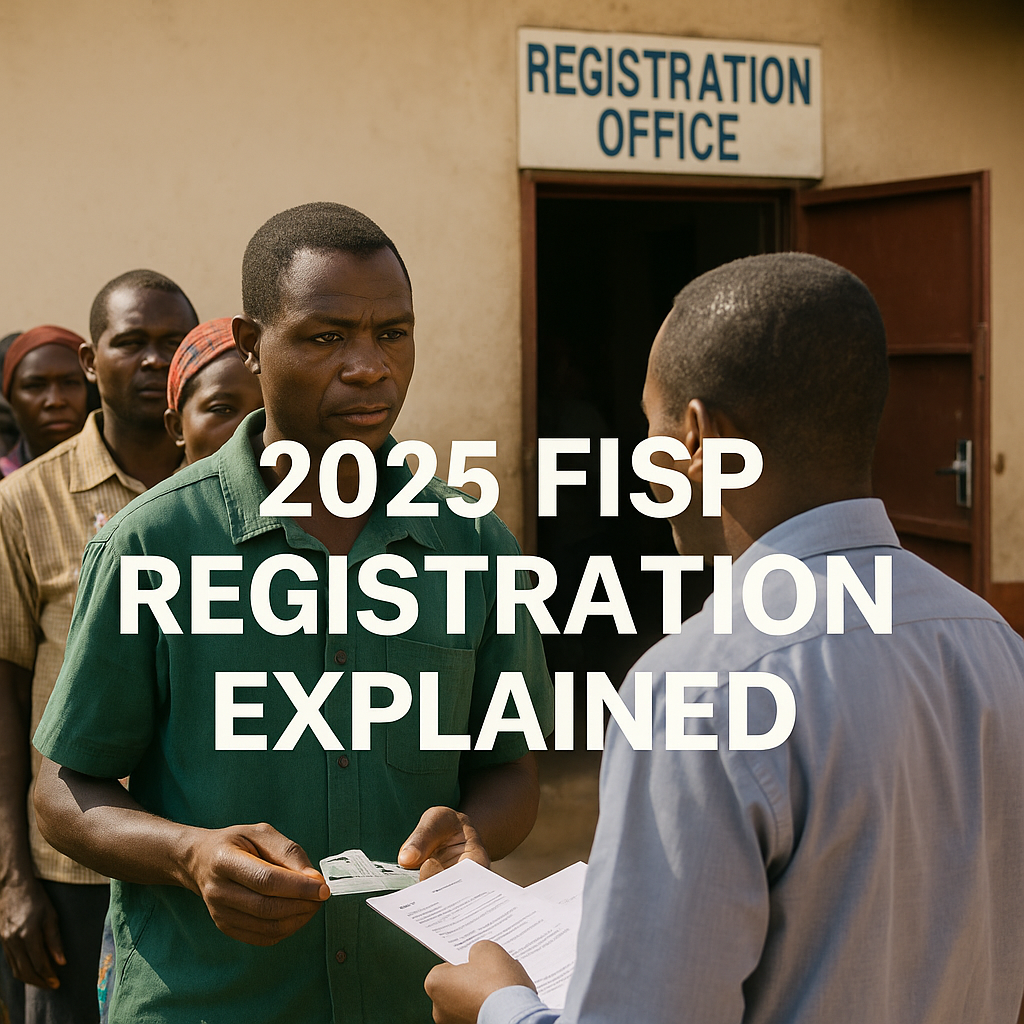
Smallholder farmers across Zambia can now access subsidized seeds, fertilizer, and livestock inputs more efficiently than ever through Zambia’s e-Voucher system. This is the government’s flagship digital solution under the Farmer Input Support Programme (FISP). With the full nationwide rollout in all 116 districts this season, this guide breaks down exactly how to register, redeem your benefits, and avoid common mistakes. (Includes a free downloadable checklist to aid your application process!)